Plan
History of Maceió: From Sugar Mill to the Port of Jaraguá
How a settlement linked to a sugar mill became the capital of Alagoas, and what you can still see of that history in the city.
Updated on October 5, 2026 ✓ Information checked on October 5, 2026 adapted from the Portuguese original
Maceió is a young capital compared with others in the Northeast. It grew up around sugar and the sea, and both forces still show in the landscape: in the historic buildings of Jaraguá, in the lagoons and in the city’s relationship with the port. Understanding this history helps you see the city with new eyes.
The origin of the name
The name Maceió comes from Tupi. The recorded forms are “maçayó” or “maçaio-k”, meaning “what covers the marshland”. The expression refers to the wetlands and lagoons that shape the local geography, influenced by the tide. Just look at the map: the city sits between the sea and Mundaú Lagoon.
From sugar mill to settlement
The settlement that gave rise to Maceió is linked to a sugar mill set up in the area in the early 17th century. A small village grew up around it. For a long time, the political center of the region was Vila das Alagoas, on the shore of Manguaba Lagoon, today the town of Marechal Deodoro.
The role of the Jaraguá port
What changed the settlement’s fate was the natural anchorage of Jaraguá. Ships could dock there more easily, and the place began shipping out the sugar produced by the region’s mills. The port brought merchants, warehouses and houses.
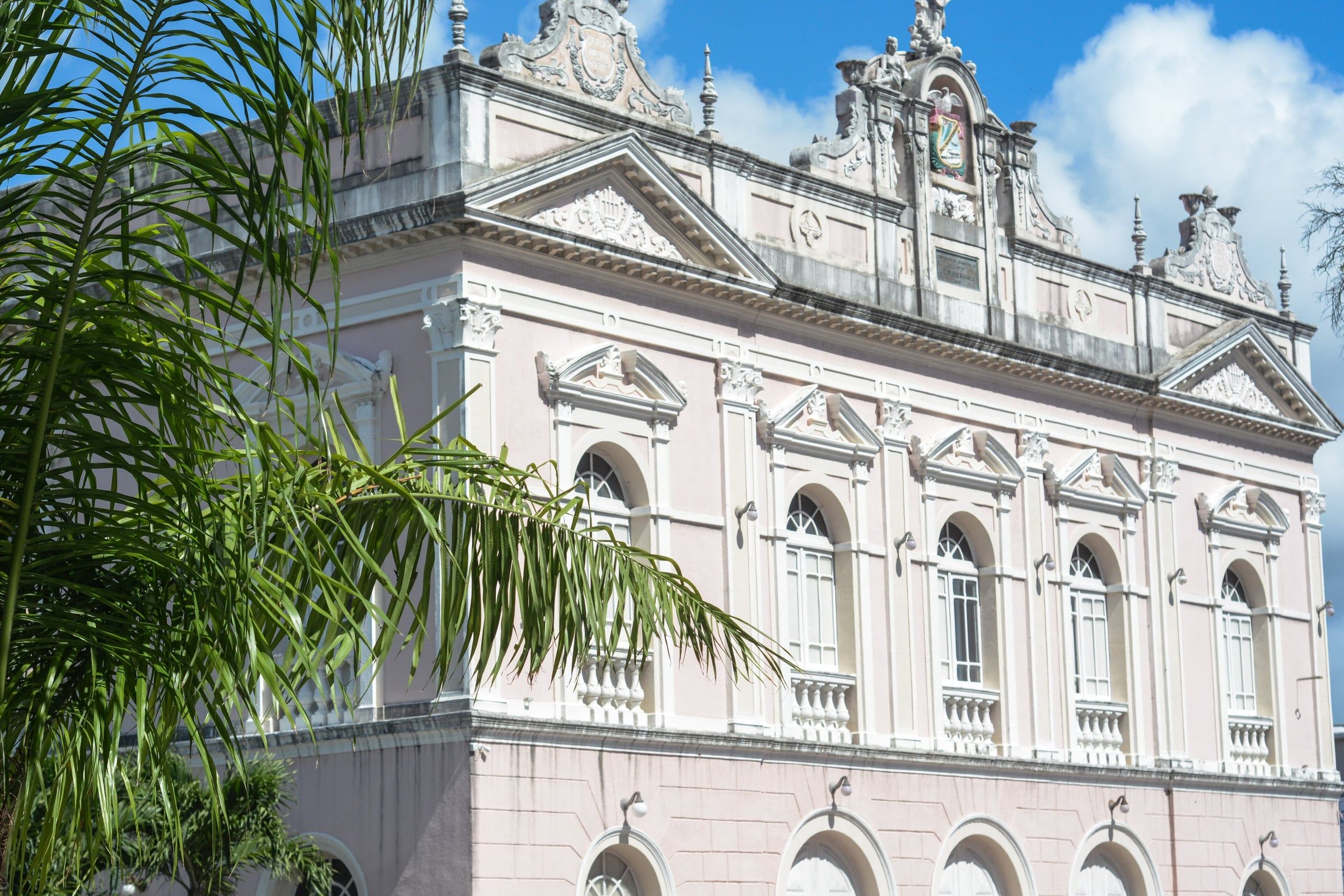
This commercial growth gave the settlement economic importance before political importance. The Jaraguá district still preserves buildings from this period of prosperity. Visit the Jaraguá district to see this ensemble.
1815: Maceió becomes a town
On December 5, 1815, an act of King João VI separated Maceió from Vila das Alagoas and raised it to the status of town (vila). The new town was formally established, with the creation of its municipal council, the following year. December 5 is remembered as Maceió’s birthday.
1817: Alagoas separates from Pernambuco
Two years later, on September 16, 1817, the then district of Alagoas was raised to a captaincy, separating from Pernambuco. The date is still remembered as Alagoas Political Emancipation Day, a state holiday listed in the official 2026 calendar published by Maceió City Hall.
1839: Maceió becomes the capital
The economic growth linked to the port weighed in the rivalry with the old capital. In December 1839, Maceió was raised to city status and became the seat of the government of the province of Alagoas, replacing the city of Alagoas (today Marechal Deodoro).
| Year | Milestone |
|---|---|
| Early 17th century | A sugar mill gives rise to the settlement |
| 1815 | Maceió is separated from Vila das Alagoas and becomes a town |
| 1817 | Alagoas separates from Pernambuco |
| 1839 | Maceió becomes a city and the provincial capital |
Sugar in the Alagoas economy
Sugarcane was the backbone of the Alagoas economy for centuries. Even in colonial times, the region had dozens of sugar mills. Production went to the port of Maceió, which kept the city at the center of the state’s economy. Alagoas is still among the largest sugarcane producers in the Northeast.
Palmares and Zumbi: the Alagoas context
The history of Alagoas is also marked by resistance to slavery. In the interior of today’s state, on the Serra da Barriga, in União dos Palmares, stood the Quilombo dos Palmares, a community formed by enslaved people who escaped from the sugar mills. Zumbi dos Palmares was its main leader.
The Serra da Barriga was listed by IPHAN in 1986 and is also recognized as Mercosur cultural heritage. November 20, the date associated with Zumbi’s death, is a holiday. In Maceió, Zumbi’s name is on the international airport. To discover Afro-Alagoan traditions and other expressions, see Alagoas popular culture.
Maceió today
The city grew along the waterfront and is today the most populous in Alagoas, with 957,916 inhabitants in IBGE’s 2022 Census. Tourism has gained weight in the economy, but the past is still present:
- in the historic buildings of Jaraguá, linked to the port;
- in the lagoons, which gave their name to the city and the state;
- in crafts and popular festivals;
- in the collections of the Maceió museums, such as the Théo Brandão Museum.
Frequently asked questions
What does the name Maceió mean?
The name comes from Tupi, from terms recorded as 'maçayó' or 'maçaio-k', meaning 'what covers the marshland'. It refers to the region's wetlands and lagoons.
When was Maceió founded?
The settlement grew up around a sugar mill. Maceió was separated from the old Vila das Alagoas and made a town on December 5, 1815, the date celebrated as the city's birthday.
Since when has Maceió been the capital of Alagoas?
Since 1839. Maceió was raised to city status in December of that year and became the seat of the provincial government, replacing the old capital, today Marechal Deodoro.
Why was the port of Jaraguá important?
The Jaraguá anchorage shipped out the sugar production and boosted trade. The growth linked to the port was decisive in Maceió becoming the capital.
Keep reading
Keep planning
-
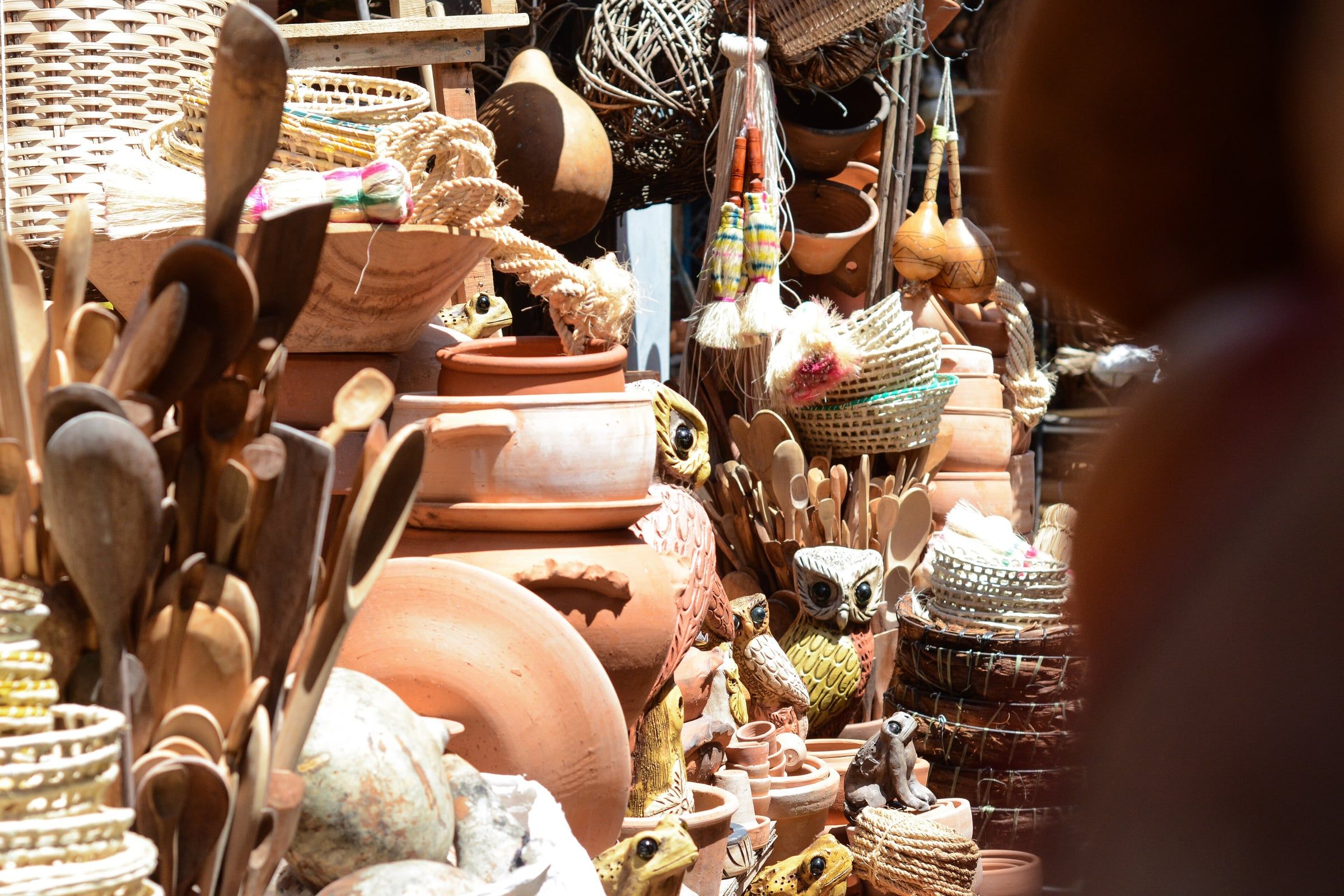 Alagoas Popular Culture Folk performances, dances and traditional crafts that shape Alagoas identity, what is registered as state heritage and where to see it up close in Maceió. Read guide
 -
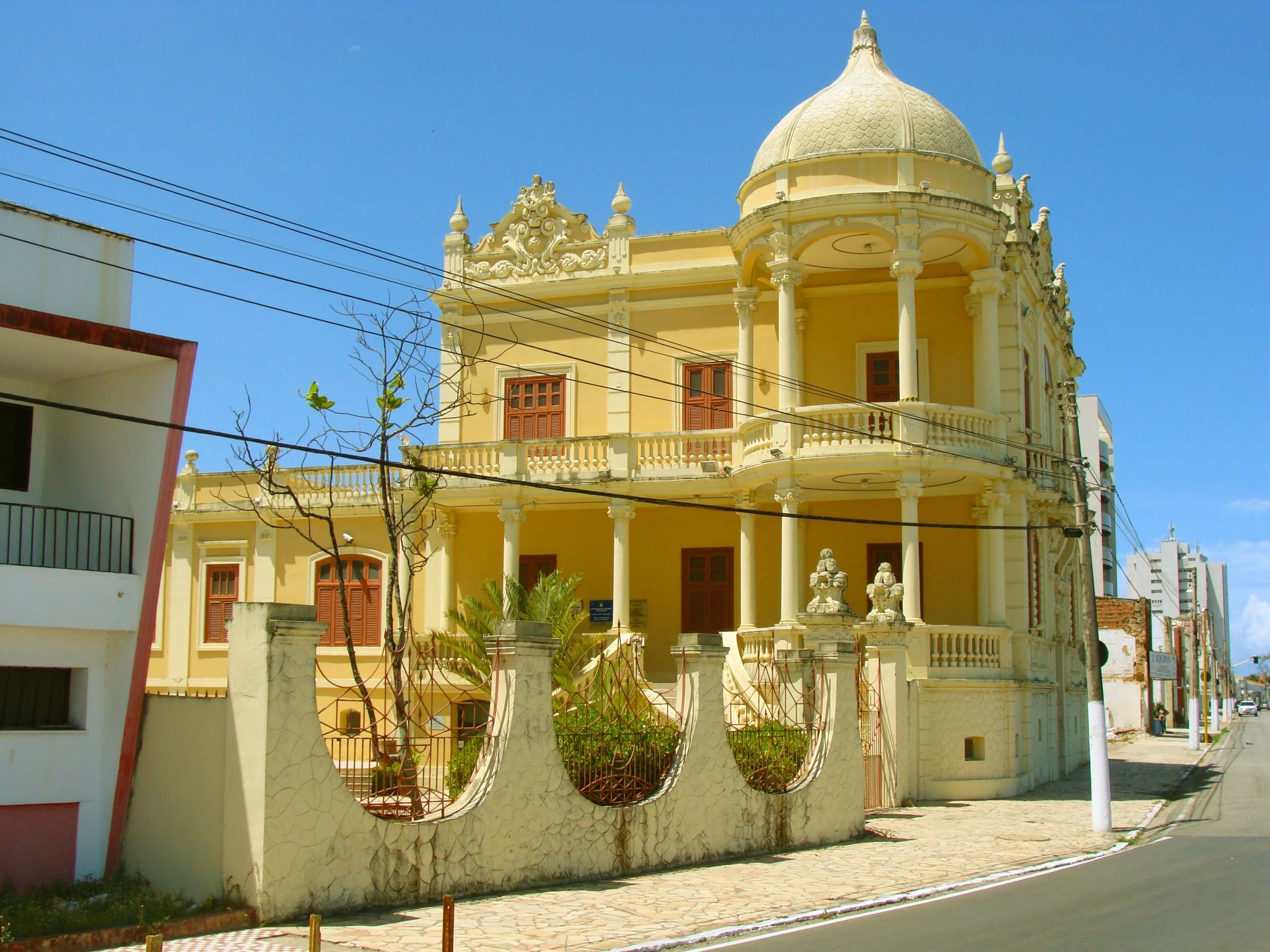 Maceió Museums The main museums in the Alagoas capital, from folklore to natural history, with addresses from the state government's official list and tips for planning your route. Read guide
 -
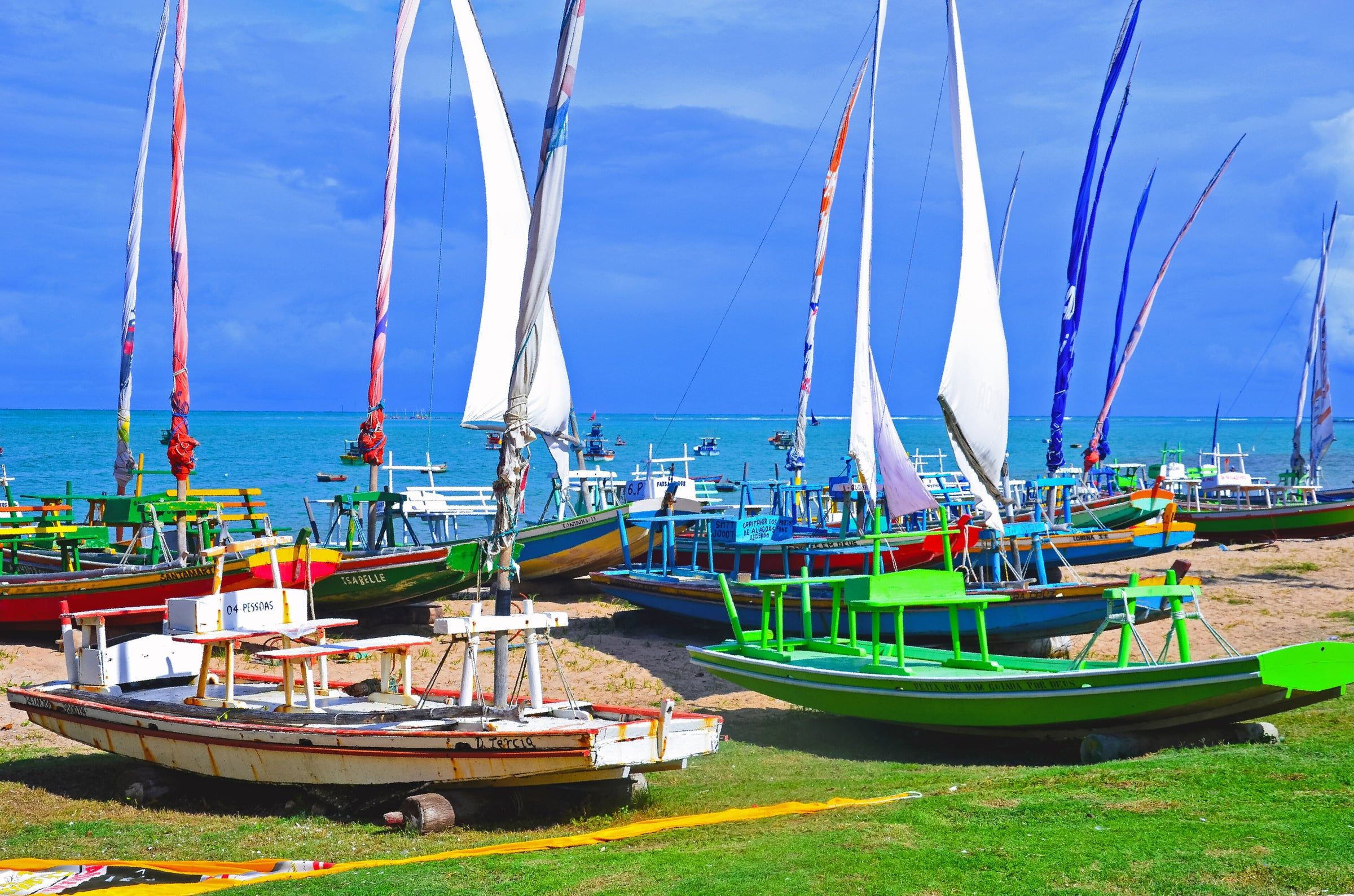 Things to Do in Maceió Maceió's main activities organized by type, with links to each guide. Read guide