Things to do
Shopping and Crafts in Maceió
Filé lace, other laces, ceramics and wood: the main craft spots in the Alagoas capital and how to shop well, directly from the makers.
Updated on October 5, 2026 ✓ Information checked on October 5, 2026 adapted from the Portuguese original
Buying crafts in Maceió is also a way to get to know Alagoas culture. The most typical product is filé, embroidery worked on a net, but the city also offers other laces, ceramics, woodwork and objects made from straw and coconut. This guide shows where to buy and how to choose well, ideally directly from the makers.
Where to buy
| Place | What you’ll find | Good for |
|---|---|---|
| Pontal da Barra | Filé on clothes, towels and accessories, sold by lacemakers and shops in the neighborhood | Buying direct from the makers and watching the embroidery being made |
| Pajuçara Craft Fair | A variety of crafts and souvenirs, on the waterfront | Quick shopping, close to the waterfront hotels |
| Mercado 31 (Mercado das Artes), in Jaraguá | Crafts and culture in the historic district | Combining with a stroll through the Jaraguá district |
Mercado 31 is mentioned by the Visite Alagoas portal as a craft spot and was used by Maceió City Hall as the starting point for free tourist transport to Pontal da Barra in 2025. Programs like this change; check official channels.
Pontal da Barra
Pontal da Barra is the lacemakers’ neighborhood, described by Maceió City Hall as “the cradle of Alagoas crafts and filé”. The main streets are lined with shops and studios, and in many of them you can watch the embroidery being made. Go in the late afternoon to combine shopping with the sunset over Mundaú Lagoon.
Pajuçara craft fair
The fair is on the Pajuçara waterfront, close to most of the hotels. It’s handy if you want souvenirs without leaving the waterfront. Compare prices and quality with Pontal before buying larger filé pieces.
What to buy
Filé
According to the Alagoas State Department of Culture, filé “consists of manual weaving laid over a net base”. The main production centers are Pontal da Barra and Riacho Doce, in Maceió, and Marechal Deodoro. Filé is registered as intangible heritage of the state and received a geographical indication from INPI (Brazil’s intellectual property office) in 2016 for the Mundaú-Manguaba Lagoons Region.
Common pieces: blouses, dresses, beach cover-ups, hats, tablecloths, table runners, bags, earrings and bookmarks.
Other laces
Besides filé, Alagoas has other laces. Bico and renda singeleza, made with a needle, thread and coconut-leaf stems, is registered as intangible heritage of the state and produced in Marechal Deodoro and Água Branca, according to Secult-AL.
Ceramics and wood
Figurative ceramics, utilitarian pieces and wood carvings are another strand of Northeastern crafts. To see examples before buying, visit the Théo Brandão Museum, whose collection includes ceramics, Kariri-Xocó Indigenous pottery and wood sculptures.
How to spot good filé
- Firm, regular net: the meshes should be uniform in size with well-tied knots.
- Careful filling: the embroidery covers the net without gaps, and the back is neat.
- Edge finishing: straight seams with no loose threads.
- Geographical indication seal: identifies certified pieces from the Mundaú-Manguaba Lagoons Region. Not every authentic piece has the seal, but it helps.
- Talk to the lacemaker: ask who made it and how long it took. Makers can explain the process.
Practical tips
- bring cash and a card, as accepted payment methods vary;
- for made-to-order pieces, agree in writing on measurements, colors, deadline and shipping;
- to pack it in your suitcase, fold the filé with tissue paper and avoid weight on top;
- hand-wash filé pieces with mild soap and dry them in the shade.
Fitting it into your itinerary
Shopping works well on cloudy or rainy days. A suggestion: morning in Jaraguá and the center, with museums, and late afternoon at Pontal da Barra. To understand the context of what you’re buying, read the Alagoas popular culture guide.
Attractions mentioned
-
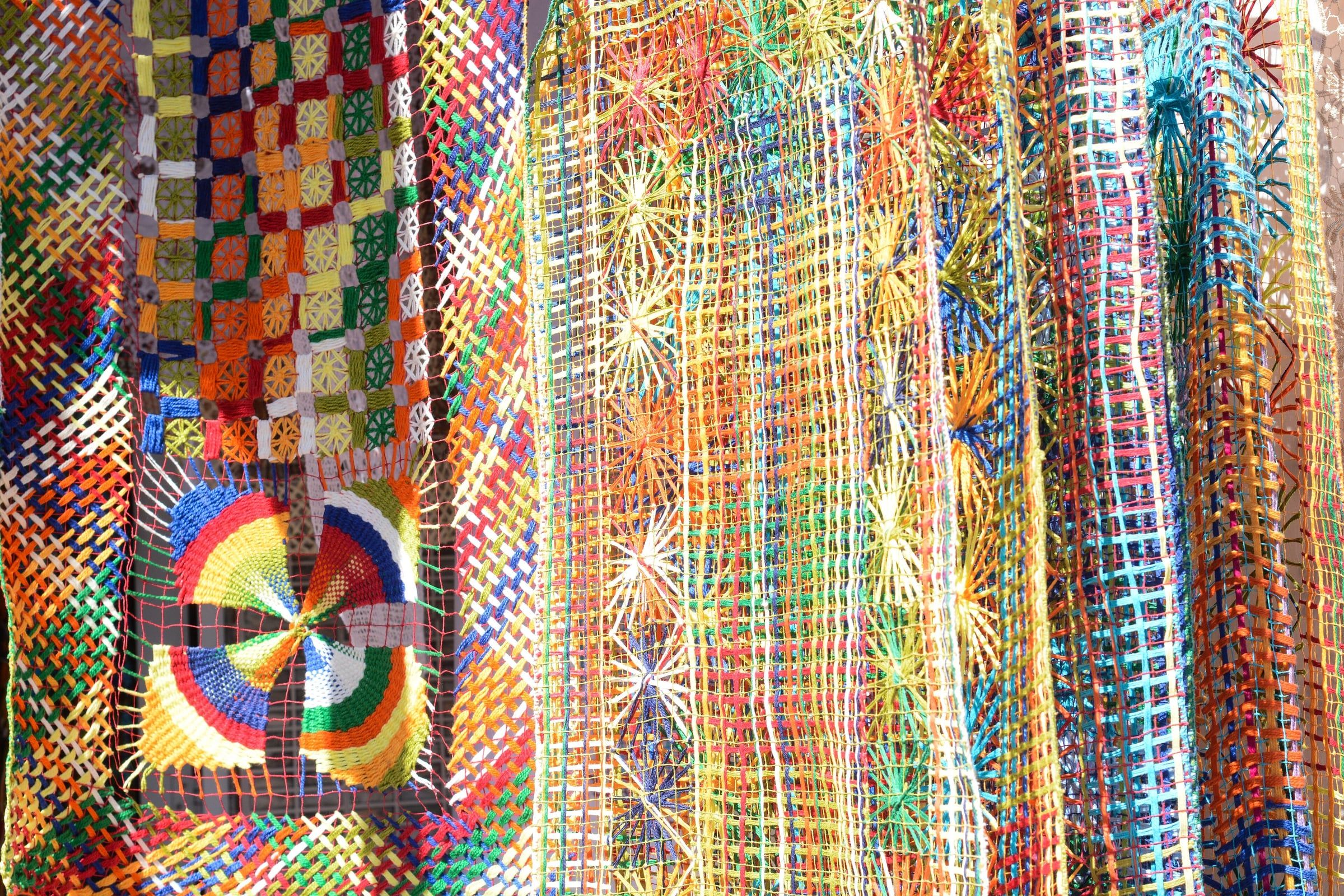 Mundaú and Manguaba lagoons Pontal da Barra and Filé Lace A Maceió neighborhood between the lagoon and the sea, cradle of Alagoas filé lace, with lacemakers' shops, sunset over Mundaú Lagoon and departures for boat trips. See details
 -
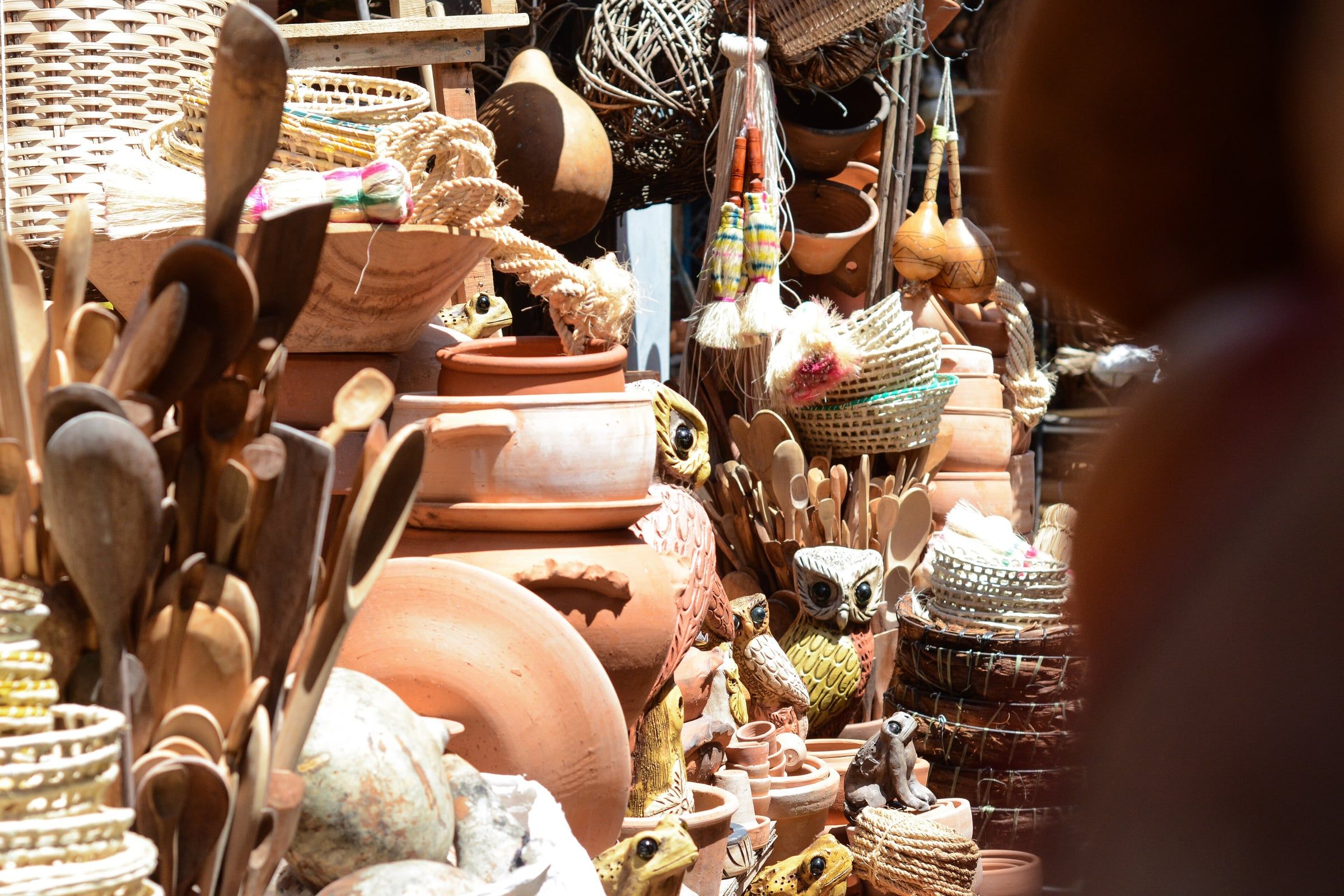 Maceió city waterfront Pajuçara Craft Fair On the Pajuçara waterfront, the fair brings together about 200 craft and souvenir stalls, a few steps from the beach. See details
 -
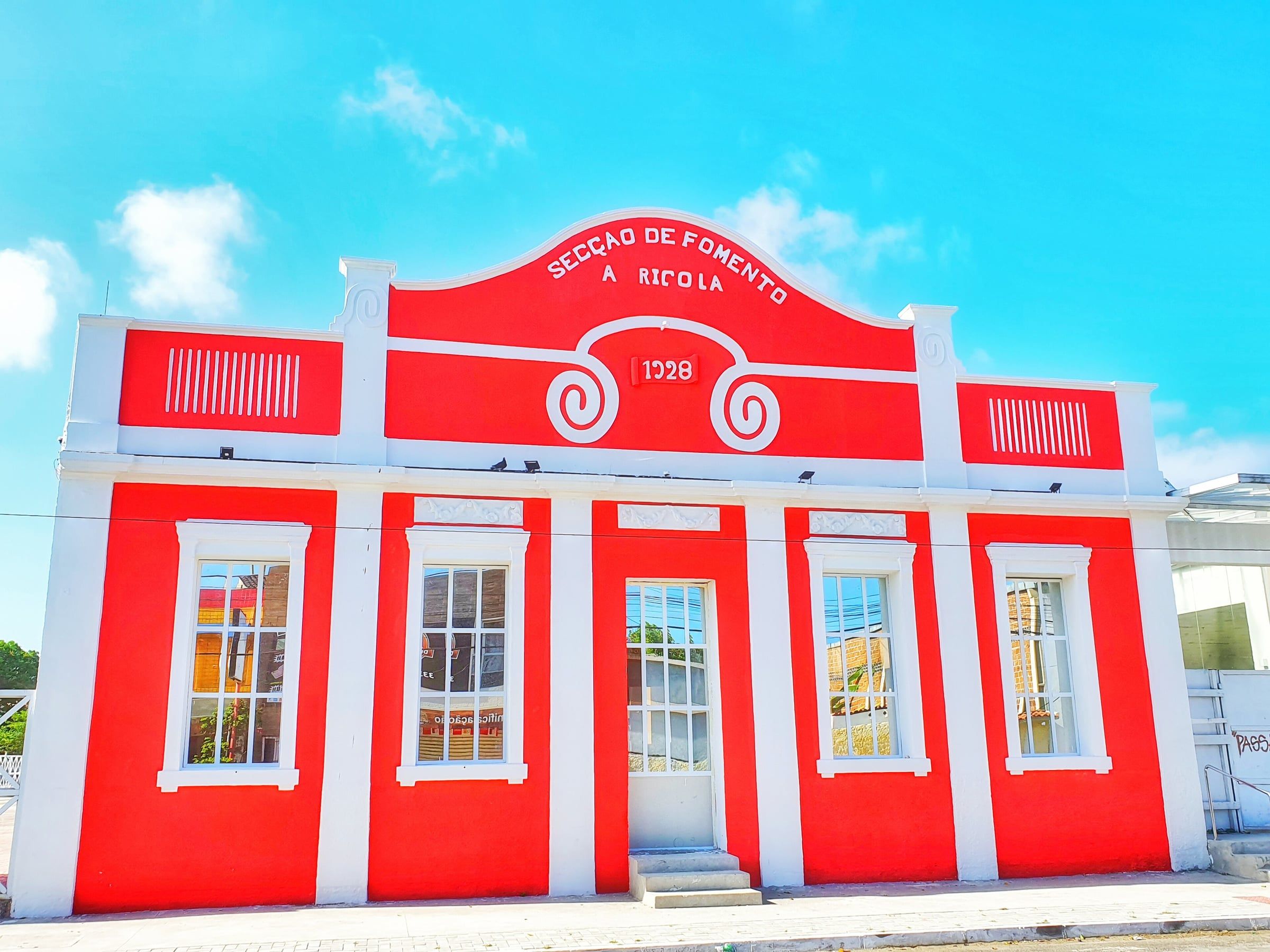 Historic center Jaraguá District The port district where Maceió grew, with an urban ensemble listed by the Alagoas government, early 20th-century buildings and the Museum of Image and Sound. See details
Frequently asked questions
What is Maceió's most typical craft?
Filé, embroidery worked on a net base, registered as intangible heritage of Alagoas. The main production centers are Pontal da Barra and Riacho Doce, in Maceió, and Marechal Deodoro, according to the State Department of Culture.
Where can I buy filé lace in Maceió?
At Pontal da Barra, the lacemakers' neighborhood, where many pieces are sold by the people who make them. Filé also appears at the Pajuçara craft fair and other craft spots around the city.
How can I tell if filé lace is authentic?
Check that the net has regular, firm meshes and that the embroidery fills the net with no loose threads on the back. The geographical indication seal of the Mundaú-Manguaba Lagoons Region identifies certified pieces made in the region. If in doubt, buy directly from the lacemakers.
Can I haggle?
You can discuss the price, especially when buying several pieces, but remember that filé takes many hours of handwork. A very low price for a large piece is usually a warning sign.
Keep reading
Keep planning
-
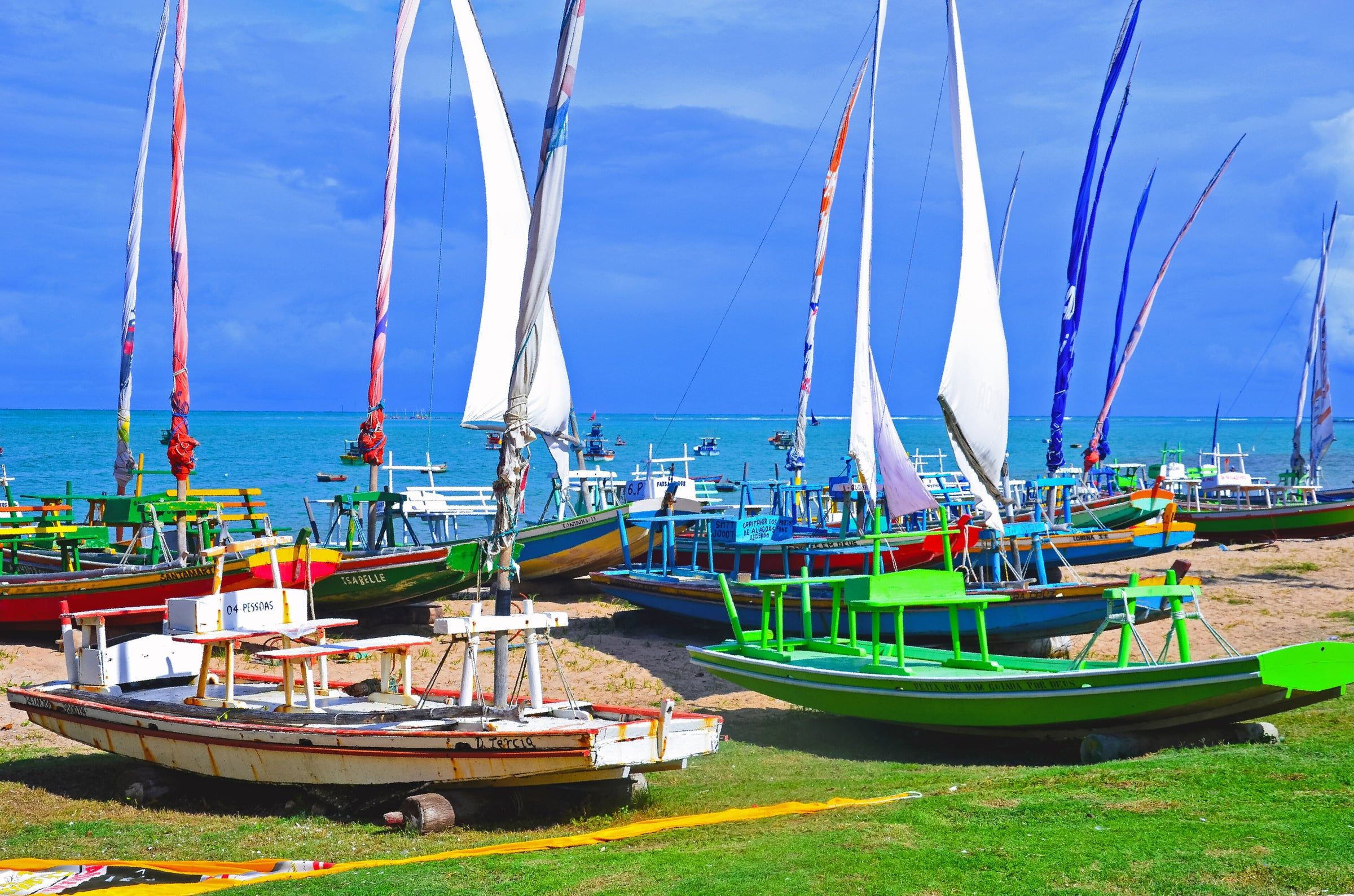 Things to Do in Maceió Maceió's main activities organized by type, with links to each guide. Read guide
 - Alagoas Popular Culture Folk performances, dances and traditional crafts that shape Alagoas identity, what is registered as state heritage and where to see it up close in Maceió. Read guide
-
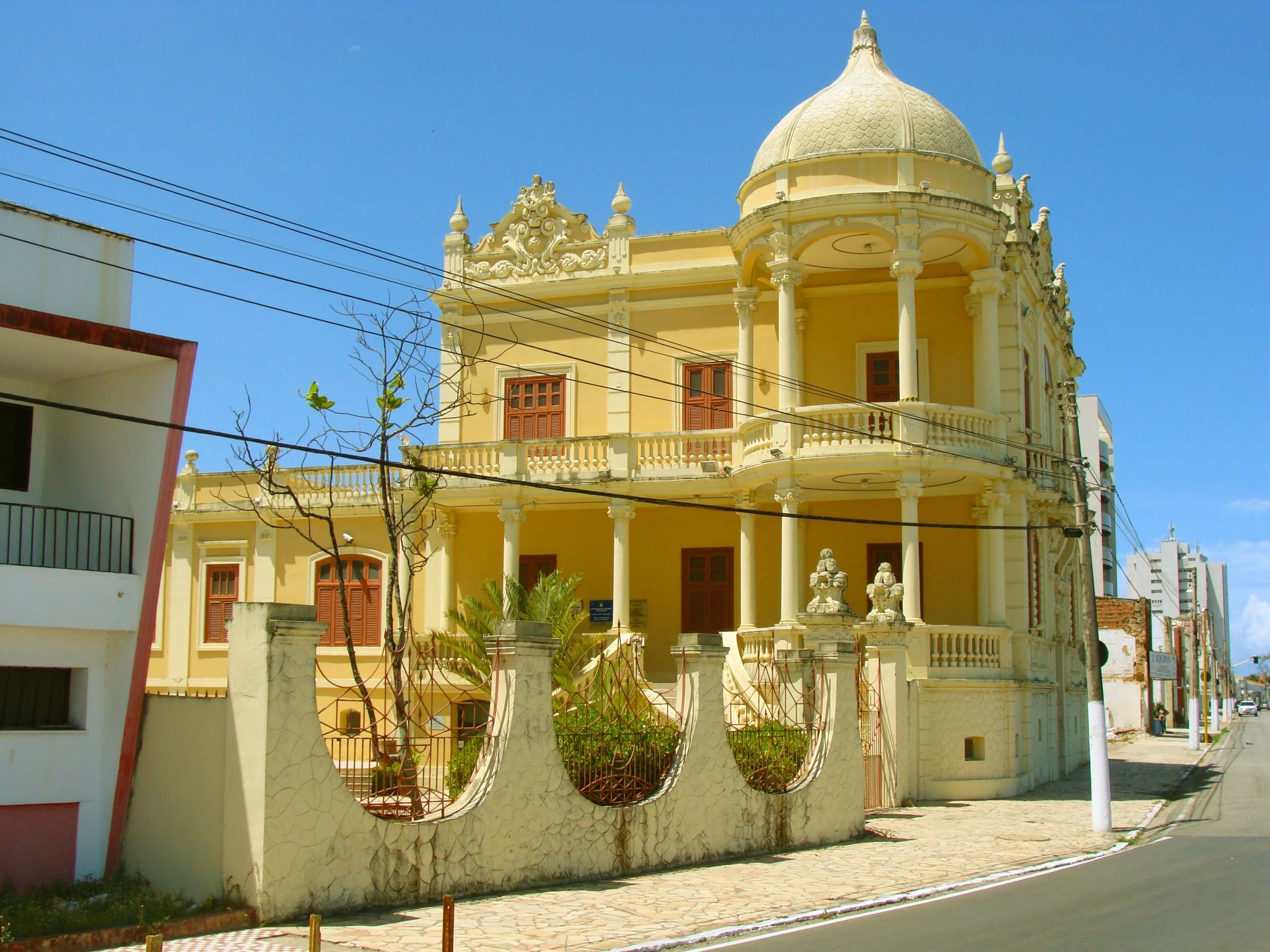 Maceió Museums The main museums in the Alagoas capital, from folklore to natural history, with addresses from the state government's official list and tips for planning your route. Read guide