- Type
- History and culture
- Area
- Mundaú and Manguaba lagoons
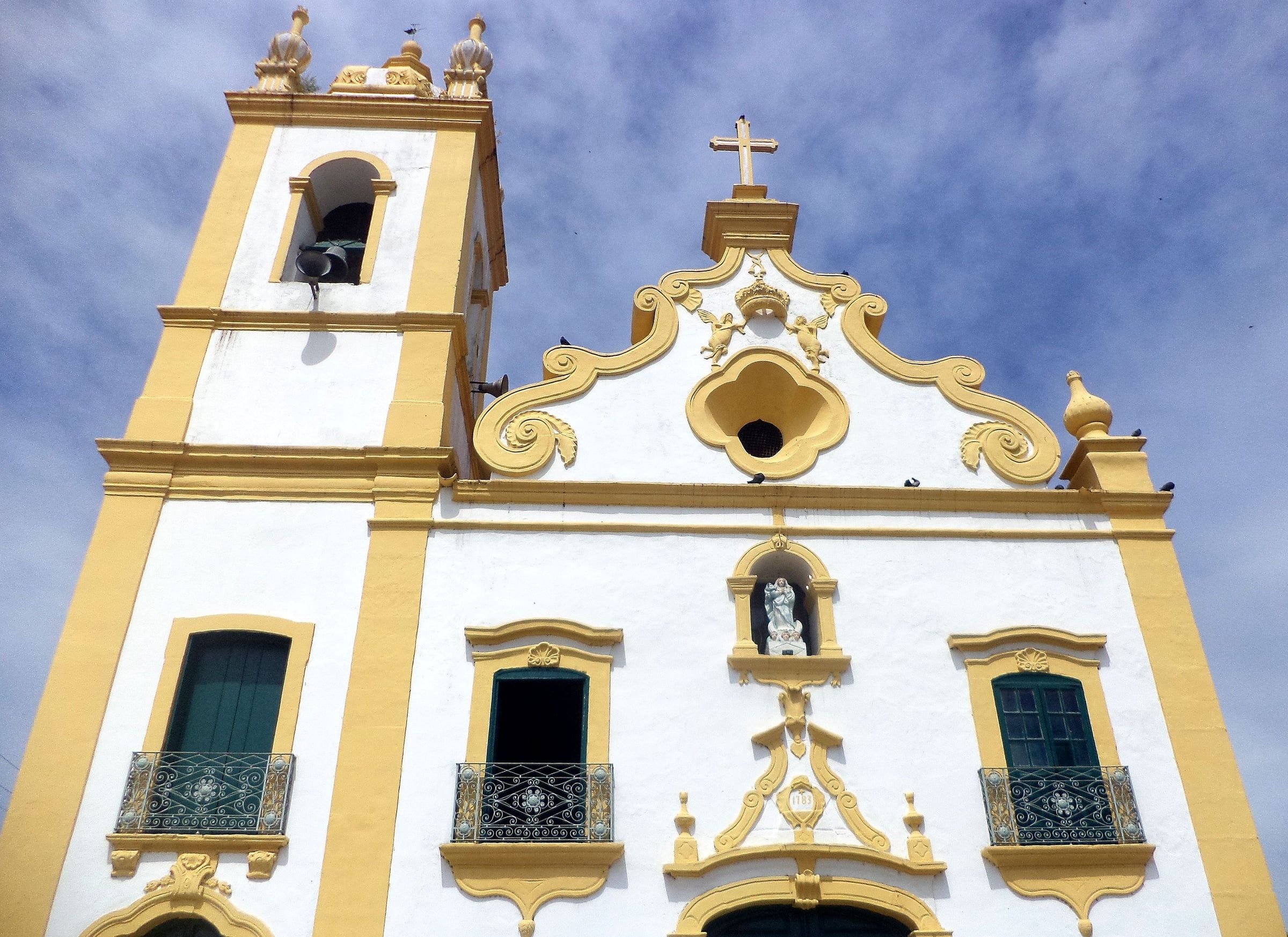
Marechal Deodoro is the town next to Maceió that was the first capital of Alagoas. It sits on the shore of Manguaba Lagoon and preserves an ensemble of churches, a convent and mansions from the 17th to 19th centuries, protected by Iphan. It’s also the municipality of Praia do Francês and Massagueira, which makes it easy to combine history, beach and food in a single day.
A little history
According to Marechal Deodoro City Hall, settlement began with a land grant (sesmaria) awarded in 1591. The settlement of Madalena emerged in the early 17th century and, in 1636, became the Vila de Santa Maria Madalena da Lagoa do Sul. When Alagoas separated from Pernambuco in 1817, the town was raised to city status under the name Cidade das Alagoas and became the first capital of the province. In 1839, by political decision, the seat of government moved to Maceió.
The town is the birthplace of Manuel Deodoro da Fonseca, born in 1827, who proclaimed the Republic on November 15, 1889 and was Brazil’s first president. In 1939, the municipality was renamed Marechal Deodoro in his honor.
| Year | Milestone |
|---|---|
| 1591 | Land grant that gave rise to the settlement |
| 1636 | Founding of the Vila de Santa Maria Madalena da Lagoa do Sul |
| 1817 | Alagoas separates from Pernambuco |
| 1839 | The capital moves to Maceió |
| 1939 | The town takes the name Marechal Deodoro |
| 2009 | Iphan lists the architectural and urban ensemble |
For the capital’s context, read the history of Maceió.
The listed historic center
Iphan listed the architectural and urban ensemble of Marechal Deodoro in 2009. The protected area consists of three separate sections: the Center, the Carmo area and the Taperaguá area. According to Iphan’s description, the town preserves the original square of the settlement, with its early 17th-century layout, and examples of how the architecture adapted to the slopes of the streets.
Convent and Church of Santa Maria Madalena
The Franciscan complex of Santa Maria Madalena is the town’s best-known monument. According to an Iphan publication, a small convent was founded in 1635, closed during the Dutch occupation, and a new building was begun in 1684. The building is protected by Iphan and has housed the town’s Museum of Sacred Art since 1984. The Visite Alagoas portal highlights the church for its 17th- and 18th-century Baroque and Rococo architecture.
Other sights in the center
- Mother Church of Nossa Senhora da Conceição: rebuilt after the Dutch invasion and restored by Iphan.
- Church of the Third Order of Carmo: in the Carmo area, one of the listed sections.
- Birthplace of Deodoro da Fonseca: now a museum dedicated to the marshal.
- Provincial Palace: the former seat of government, from 1836, according to Visite Alagoas.
Visiting hours for churches and museums vary and may change because of works and services. Check with City Hall or locally before going.
Crafts and traditions
Marechal Deodoro is one of the centers of filé production, according to the Alagoas State Department of Culture. Secult-AL also mentions the town as a place where bico and renda singeleza is made, another skill registered as intangible heritage of the state, worked with a needle, thread and coconut-leaf stems. To learn more about filé, see Pontal da Barra and filé lace.
City Hall highlights centuries-old Catholic traditions, such as the Procissão do Fogaréu (Procession of Torches) during Holy Week. Dates of celebrations change each year; check the municipality’s official calendar.
How to get there and fit it into your itinerary
The town is about 28 km from central Maceió, according to Visite Alagoas, reached via the AL-101 Sul. You can go by car, ride-hailing app, intercity bus or on a south coast agency tour.
A suggested day:
- Morning at Praia do Francês, making the most of low tide.
- Afternoon in the historic center.
- Late afternoon and dinner at Massagueira, on the lagoon shore.
See how this day fits into the Maceió tours and the Maceió museums guide, which covers other places of memory in the region.
-
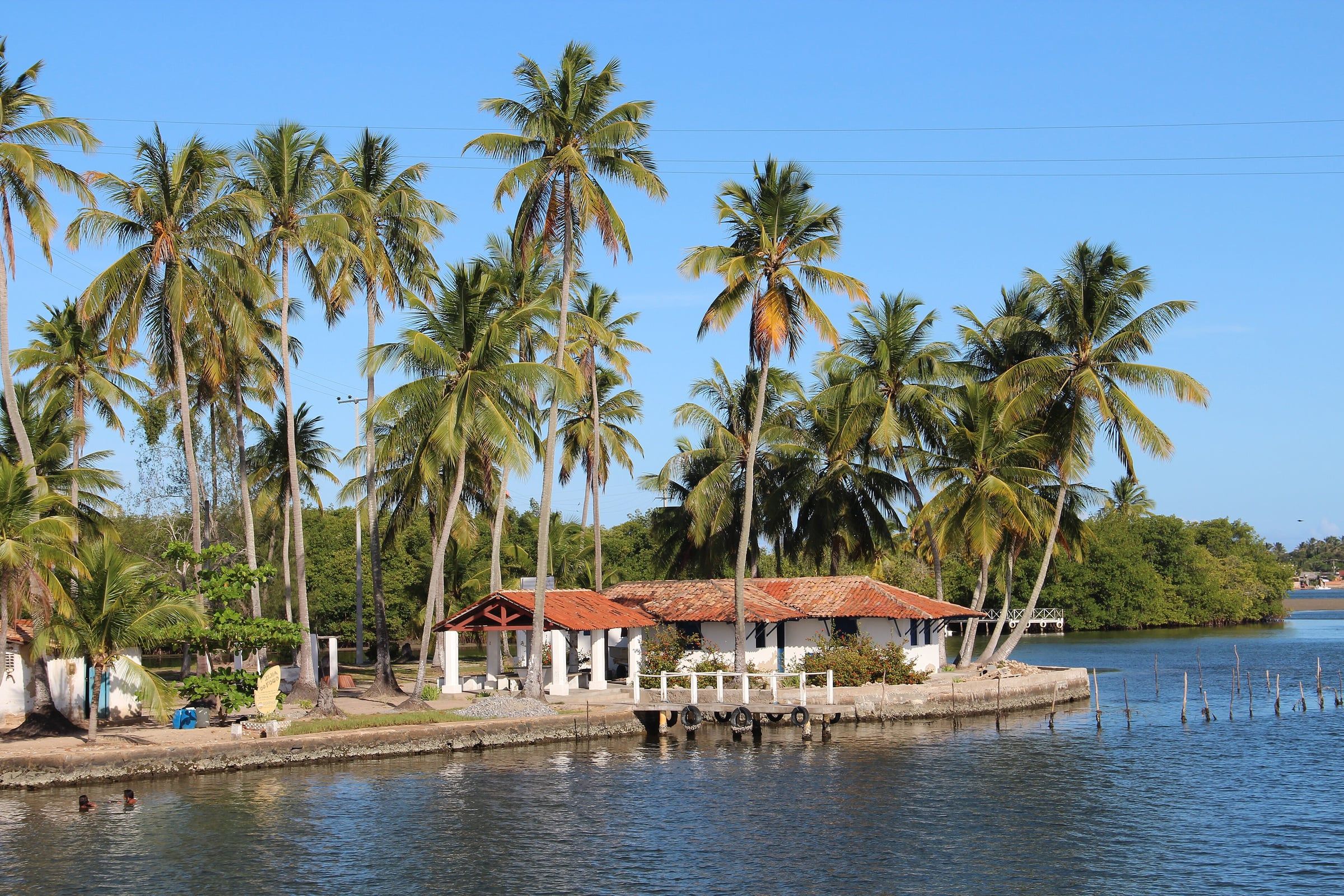 Mundaú and Manguaba lagoons Massagueira A village in Marechal Deodoro on the shore of Manguaba Lagoon, known for its seafood restaurants and sururu dishes. See details
 -
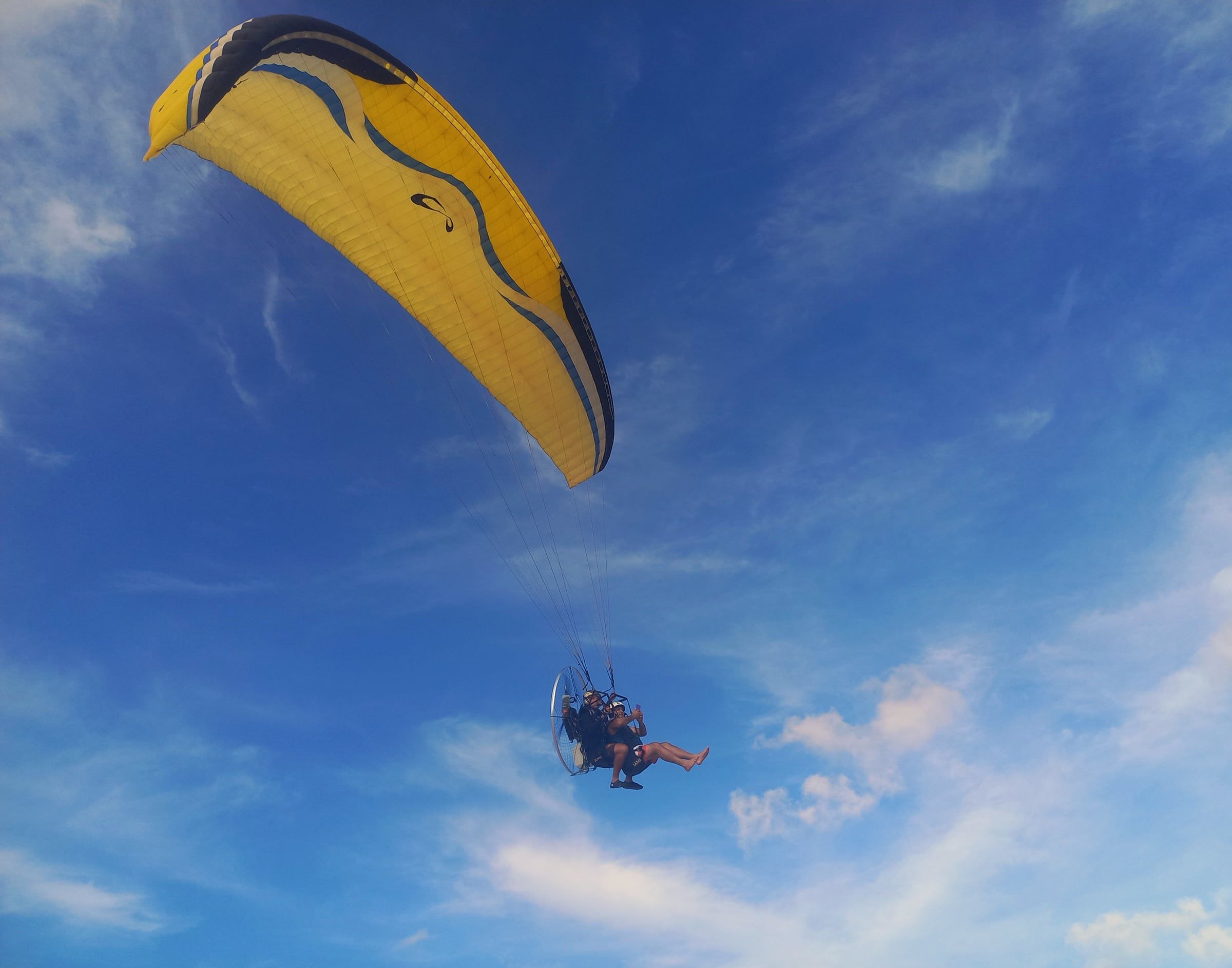 Tide-dependent South coast Praia do Francês The best-known beach on the south coast is in Marechal Deodoro, about half an hour from Maceió, and combines a reef-sheltered stretch with a stretch of waves. See details
 -
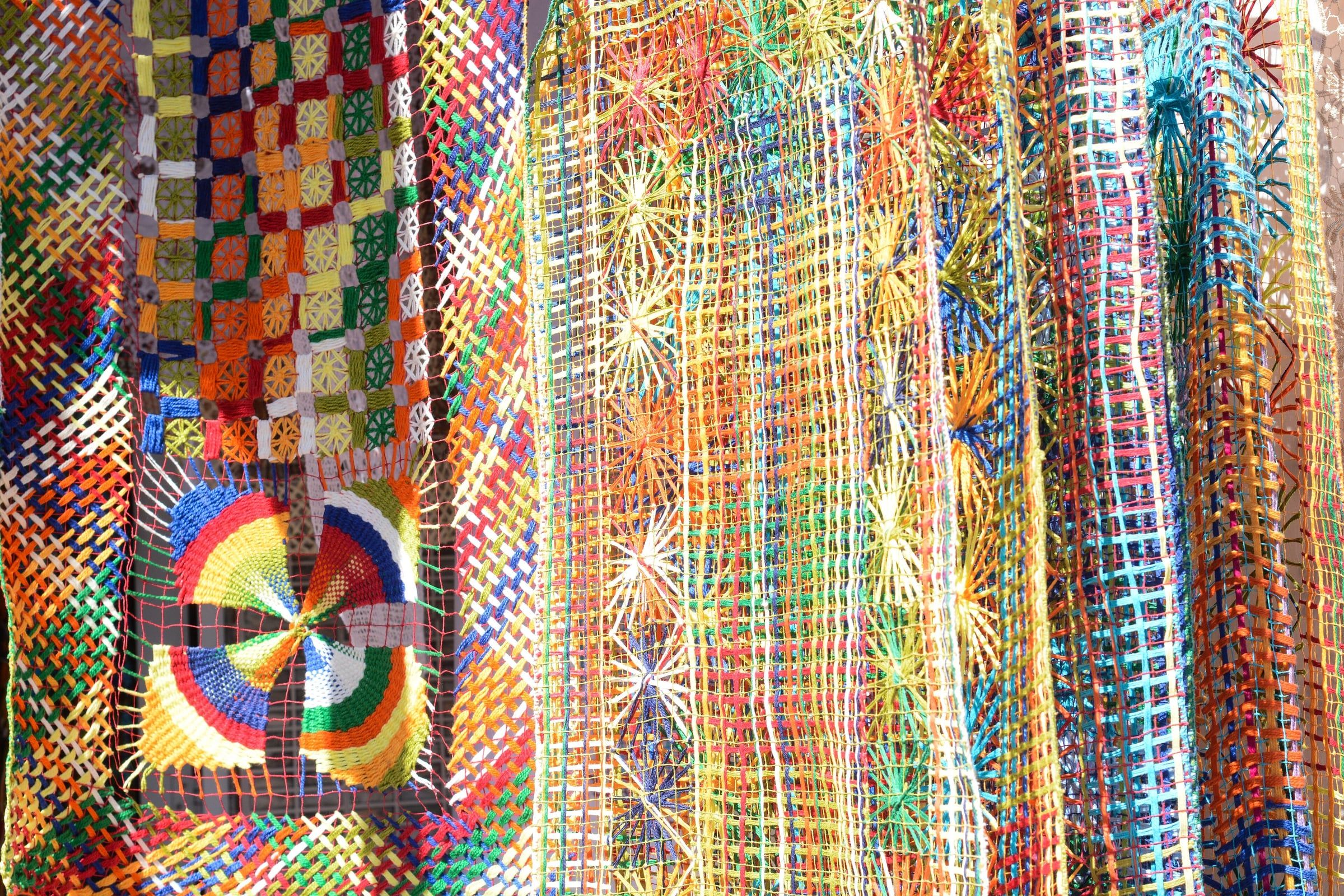 Mundaú and Manguaba lagoons Pontal da Barra and Filé Lace A Maceió neighborhood between the lagoon and the sea, cradle of Alagoas filé lace, with lacemakers' shops, sunset over Mundaú Lagoon and departures for boat trips. See details
Practical tips
- Explore the center on foot: the churches and mansions are close together.
- Church and museum hours change; check with City Hall or locally before going.
- Dress appropriately for visiting churches and respect masses and services.
- Combine with lunch at Massagueira or with Praia do Francês, in the same municipality.
Frequently asked questions
Why was Marechal Deodoro the capital of Alagoas?
According to City Hall, the then town was raised to city status and became the first capital of the province after Alagoas separated from Pernambuco in 1817. The seat of government moved to Maceió in 1839.
Is Marechal Deodoro's historic center listed?
Yes. The architectural and urban ensemble was listed by Iphan in 2009. The protected area comprises three sections: the Center, the Carmo area and the Taperaguá area.
How far is it from Maceió?
According to the Visite Alagoas portal, the town is about 28 km from central Maceió, reached via the AL-101 Sul.
Who was born in Marechal Deodoro?
Manuel Deodoro da Fonseca, who proclaimed the Republic on November 15, 1889 and was Brazil's first president. The town took his name in 1939.
Combine with
- Mundaú and Manguaba lagoons Massagueira A village in Marechal Deodoro on the shore of Manguaba Lagoon, known for its seafood restaurants and sururu dishes. See details
- Tide-dependent South coast Praia do Francês The best-known beach on the south coast is in Marechal Deodoro, about half an hour from Maceió, and combines a reef-sheltered stretch with a stretch of waves. See details
- Mundaú and Manguaba lagoons Pontal da Barra and Filé Lace A Maceió neighborhood between the lagoon and the sea, cradle of Alagoas filé lace, with lacemakers' shops, sunset over Mundaú Lagoon and departures for boat trips. See details
-
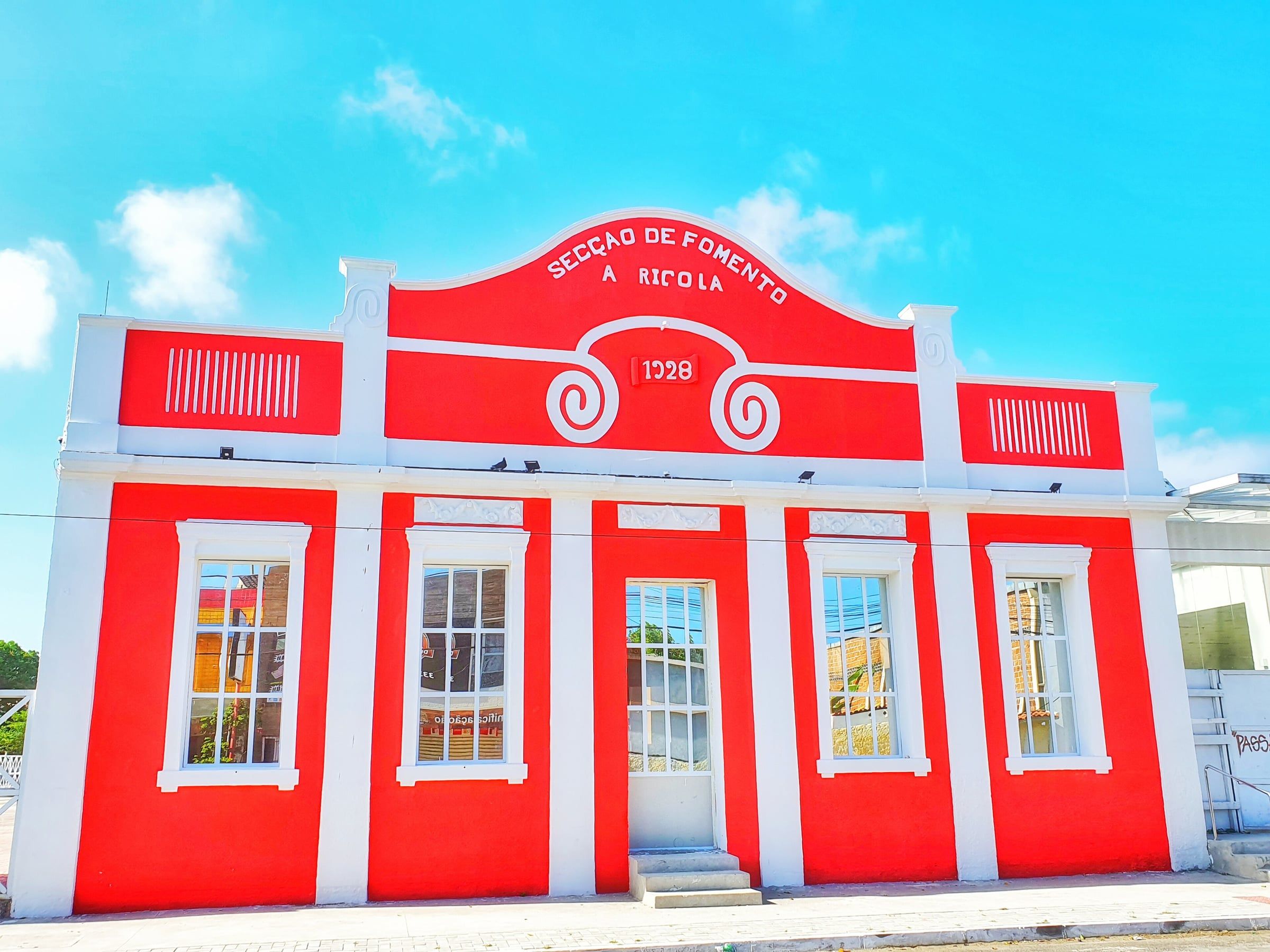 Historic center Jaraguá District The port district where Maceió grew, with an urban ensemble listed by the Alagoas government, early 20th-century buildings and the Museum of Image and Sound. See details