Things to do
Alagoas Popular Culture
Folk performances, dances and traditional crafts that shape Alagoas identity, what is registered as state heritage and where to see it up close in Maceió.
Updated on October 5, 2026 ✓ Information checked on October 5, 2026 adapted from the Portuguese original
Alagoas has one of the richest folk traditions in the Northeast. Folk performances with colorful costumes, circle dances, Christmas plays and traditional crafts are part of daily life in many communities and appear at festivals, museums and fairs. This guide introduces the main traditions, explains what is registered as state heritage and shows where to see them up close.
What is registered heritage in Alagoas
The Alagoas State Department of Culture (Secult-AL) keeps a Register of intangible heritage. Among the inscribed assets are these:
| Registered asset | What it is |
|---|---|
| Guerreiro | A Christmas folk performance with decorated hats and many characters |
| Filé | Embroidery worked on a net base |
| Bico and renda singeleza | Lace made with a needle, thread and coconut-leaf stems, in Marechal Deodoro and Água Branca |
| Sururu | A mussel from the Mundaú and Manguaba lagoons, a symbol of Alagoas identity |
| Ipioca cashew sweet | A traditional sweet from the Ipioca neighborhood, in Maceió |
The register recognizes not only the product but the way of making it and the memory of the communities that keep these practices alive.
Guerreiro
The guerreiro is the folk performance most associated with Alagoas. According to Secult-AL, it emerged around 1927 to 1929 from a fusion of Alagoas reisados, the old caboclinhos play, the chegança and the pastoris. It’s a Christmas performance, with dancers and singers wearing hats ornamented with mirrors, beads and ribbons. The queens wear crowns or diadems. Compared with similar traditions, it has more participants, longer episodes and richer costumes.
The guerreiro was inscribed in the Register in the category of forms of expression, by unanimous decision of the State Council of Culture. There are groups in several cities, such as Maceió, Arapiraca and União dos Palmares.
Reisado
The reisado is a popular play of the Christmas season, which traditionally runs until Epiphany, on January 6. It mixes music, dance and short dramatic scenes, with a master, characters and interludes. In Alagoas, the reisado is one of the roots of the guerreiro.
Pastoril
The pastoril also belongs to the Christmas season. Groups of shepherdesses, divided into two lines, sing and dance in honor of the birth of Jesus. There are religious versions, linked to churches and communities, and secular versions, with more humor.
Coco de roda
Coco is a circle dance accompanied by singing and percussion, with strong stamping of the feet. It appears at June festivals, cultural gatherings and communities on the coast and inland. In many groups, the circle opens up for the audience to join in.
Boi and other folk performances
The boi folk performance, known in several regions of Brazil as bumba-meu-boi, also has Alagoas versions, with the figure of the ox, singers and characters. Other folk performances and groups complete the picture, such as fife bands and the fandango, which performed at the Quinta no Pontal project, supported by Maceió City Hall.
Crafts as popular culture
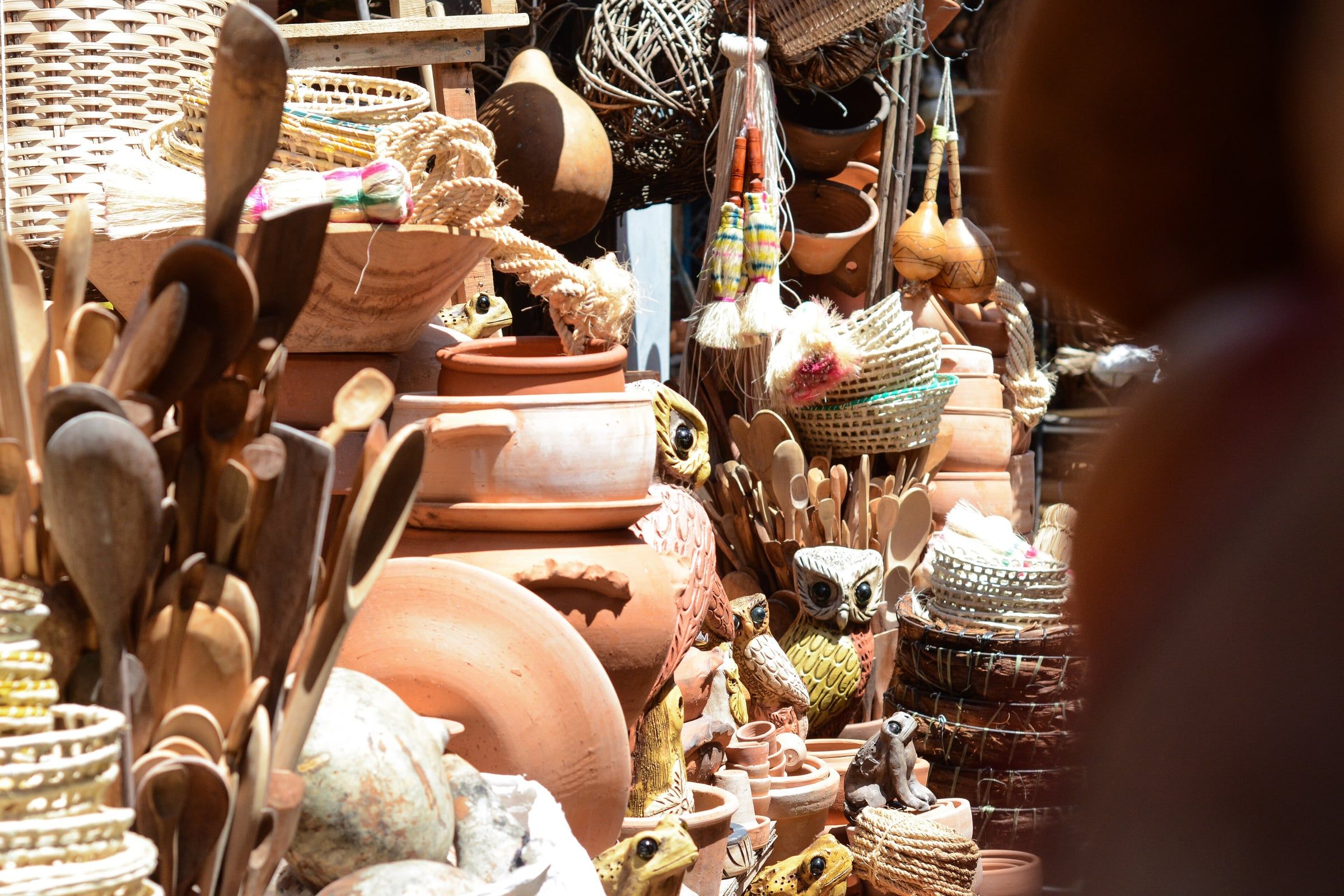
Crafts are a central part of Alagoas popular culture. Filé lace, produced mainly at Pontal da Barra, Riacho Doce and Marechal Deodoro, is the best-known example. Renda singeleza lace, ceramics and wood carving complete the picture. The shopping and crafts in Maceió guide shows where to buy directly from the makers.
Food as culture
Sururu, registered as intangible heritage, shows how food is also culture. Harvesting it in the lagoons supports lakeside families, and the mussel appears in broths and stews. See more in typical food of Alagoas.
Where to see it up close
- Théo Brandão Museum: UFAL’s collection of festival costumes, ornamented hats and crowns, folk toys and religious objects. In October 2025 it was partially open, by appointment.
- Pontal da Barra: lacemakers working at the shop doors and cultural events at certain times of year.
- Marechal Deodoro: centuries-old Catholic traditions, such as the Procissão do Fogaréu (Procession of Torches) during Holy Week, according to City Hall.
- Christmas and June festivals: the main season for group performances.
For other places of memory, see the Maceió museums guide.
Attractions mentioned
-
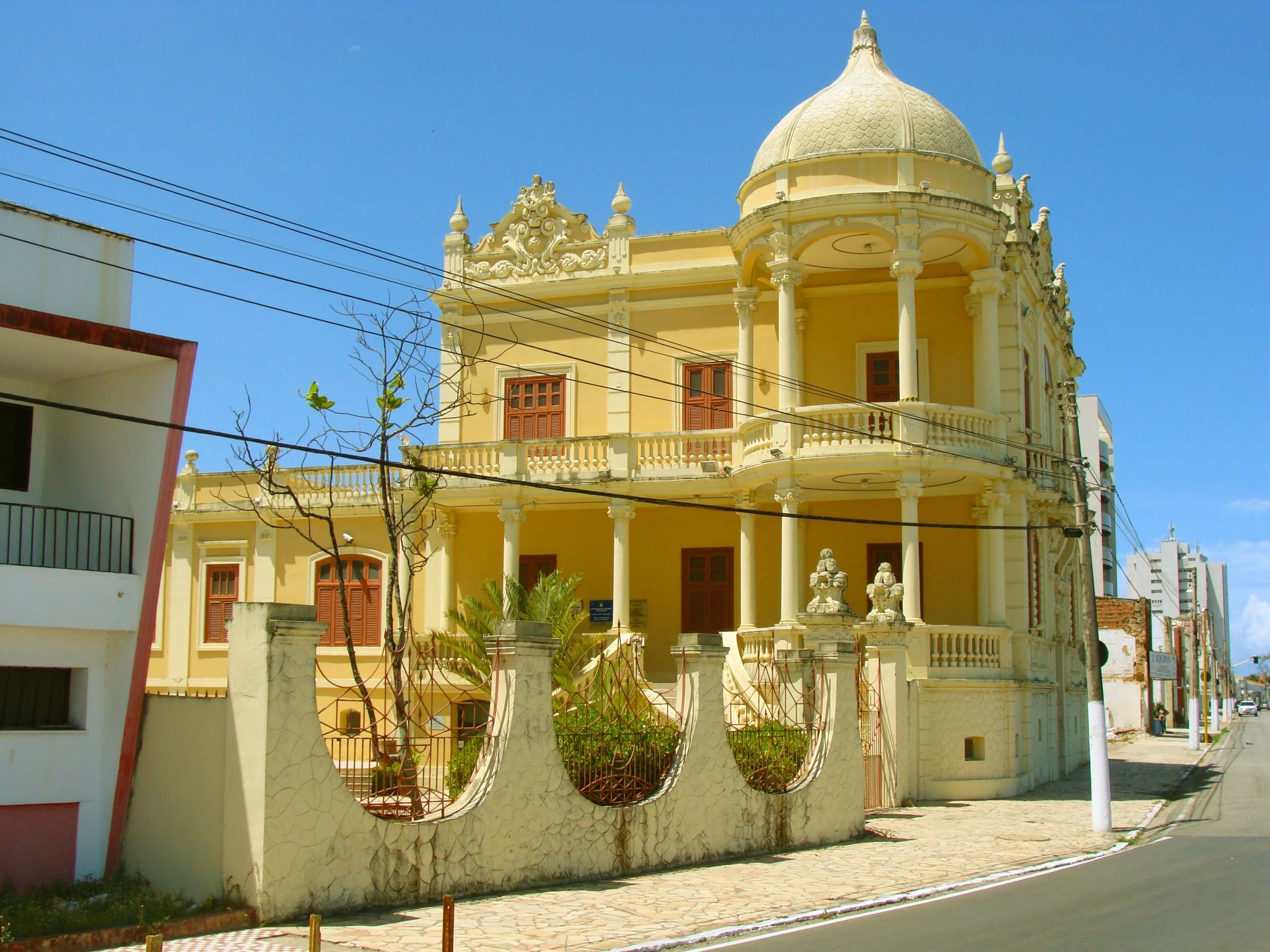 Historic center Théo Brandão Museum of Anthropology and Folklore A Federal University of Alagoas museum devoted to the folk art and folklore of the Northeast, housed in a 19th-century mansion on Avenida da Paz. See details
 -
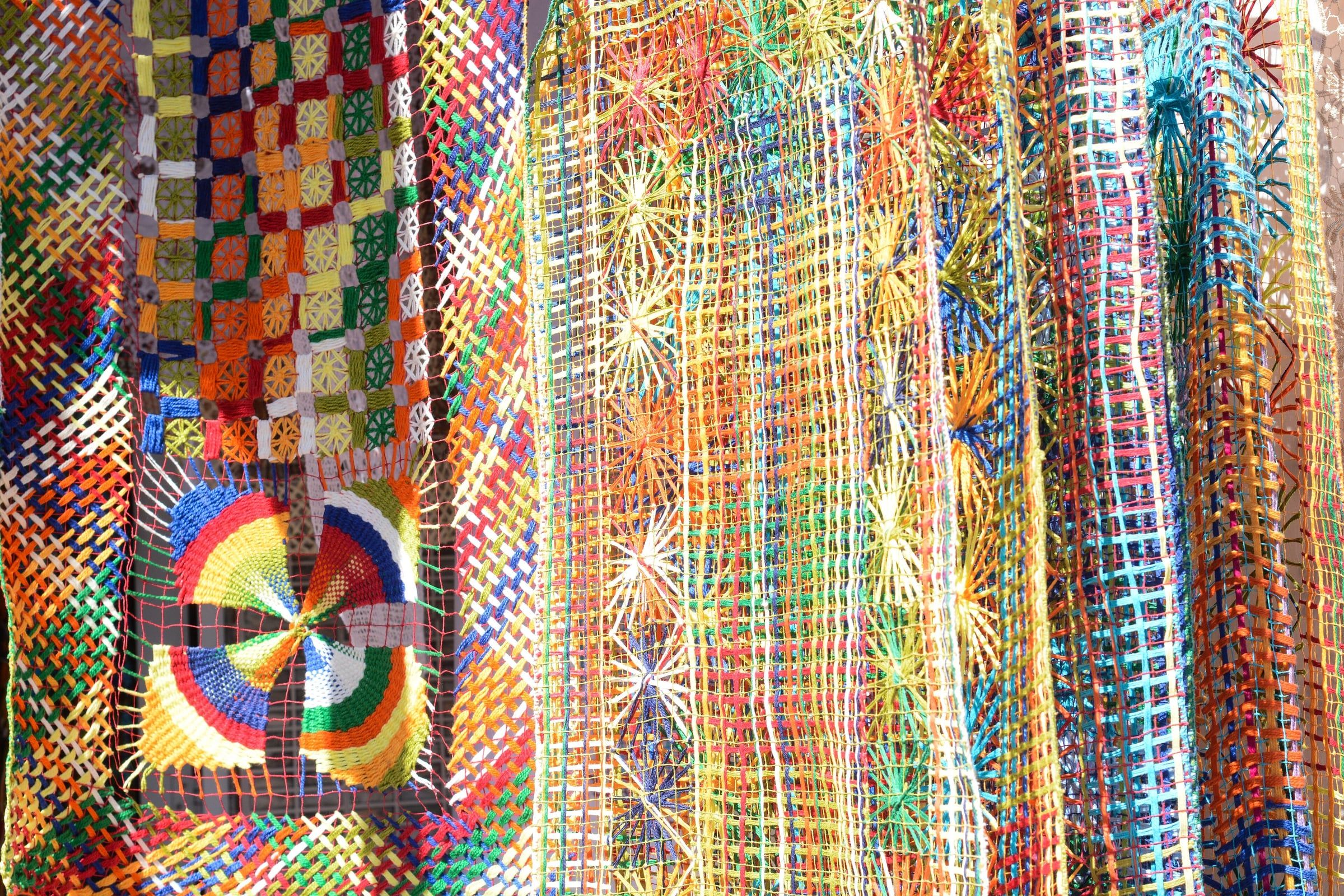 Mundaú and Manguaba lagoons Pontal da Barra and Filé Lace A Maceió neighborhood between the lagoon and the sea, cradle of Alagoas filé lace, with lacemakers' shops, sunset over Mundaú Lagoon and departures for boat trips. See details
 -
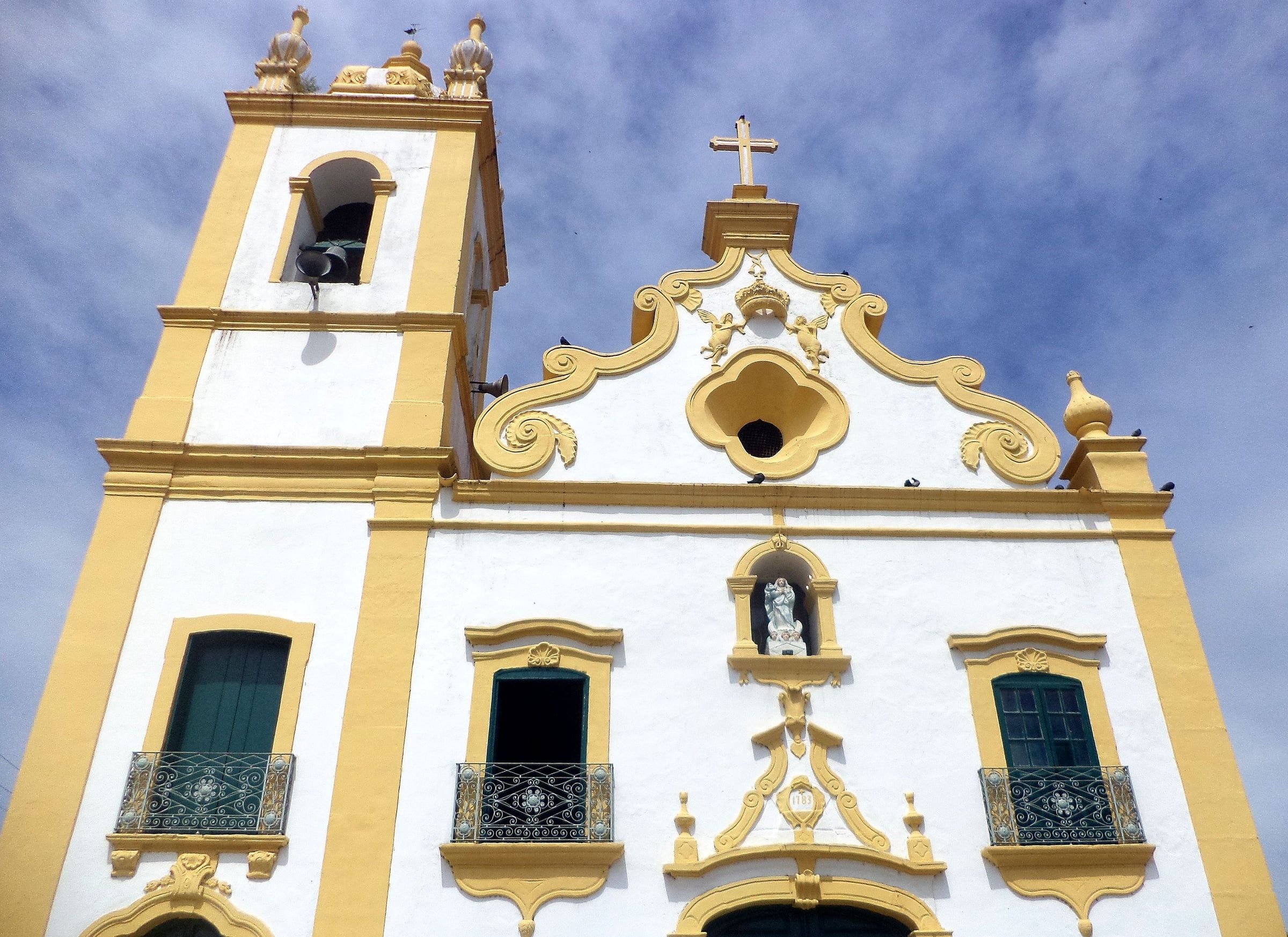 Mundaú and Manguaba lagoons Marechal Deodoro, the First Capital of Alagoas A town next to Maceió, on Manguaba Lagoon, with an architectural ensemble listed by Iphan, a Franciscan convent and the birthplace of Brazil's first president. See details
Frequently asked questions
What is the Alagoas guerreiro?
It's a Christmas folk performance that, according to the Alagoas State Department of Culture, emerged around 1927 to 1929 from a fusion of reisados, the old caboclinhos play, the chegança and the pastoris. Performers wear hats decorated with mirrors, beads and ribbons. The guerreiro is registered as intangible heritage of Alagoas.
Which intangible assets are registered by the Alagoas government?
The State Department of Culture's Register lists, among others, the guerreiro, sururu, filé lace, bico and renda singeleza lace, and the cashew sweet of Ipioca.
Where can I see popular culture in Maceió?
The Théo Brandão Museum holds costumes and objects from folk performances. Performances take place during the Christmas and June festival seasons and at cultural events in the city. Check the program on the official City Hall and state government channels.
When do the folk performances take place?
Many are tied to the Christmas season, from December to Epiphany, such as the guerreiro, reisado and pastoril. Others appear at the June festivals and at events throughout the year. Dates vary; check the official program.
Keep reading
Keep planning
-
 Things to Do in Maceió Maceió's main activities organized by type, with links to each guide. Read guide
 - Maceió Museums The main museums in the Alagoas capital, from folklore to natural history, with addresses from the state government's official list and tips for planning your route. Read guide
- Shopping and Crafts in Maceió Filé lace, other laces, ceramics and wood: the main craft spots in the Alagoas capital and how to shop well, directly from the makers. Read guide