- Type
- Neighborhood and village
- Area
- Historic center
Jaraguá is the port district where Maceió grew. It lies between the center and the Pajuçara waterfront, by the sea, and brings together warehouses, townhouses and public buildings that tell the city’s story. The district is protected as an urban ensemble by the Alagoas government and is home to institutions such as the Maceió Commercial Association and the Museum of Image and Sound of Alagoas (MISA).
The port that made the capital
Jaraguá’s development is tied to the port, which had a privileged location in the old captaincy and later province of Alagoas. The trade made Maceió grow and helped prompt the move of the capital from Marechal Deodoro to Maceió in 1839. The district concentrated shops, warehouses and trading houses. In the second half of the 20th century it lost residents and businesses, and since the 1990s it has gone through revitalization projects, with busier and quieter phases.
For the full timeline, see the history of Maceió.
Listed heritage
The cultural assets of the Jaraguá District are inscribed in Heritage Register No. 3, for urban ensembles and historic sites, of the Alagoas State Department of Culture (Secult-AL). The process began in 1983 and the listing was formalized in 1984. The protection covers urban spaces, monuments, buildings and green areas.
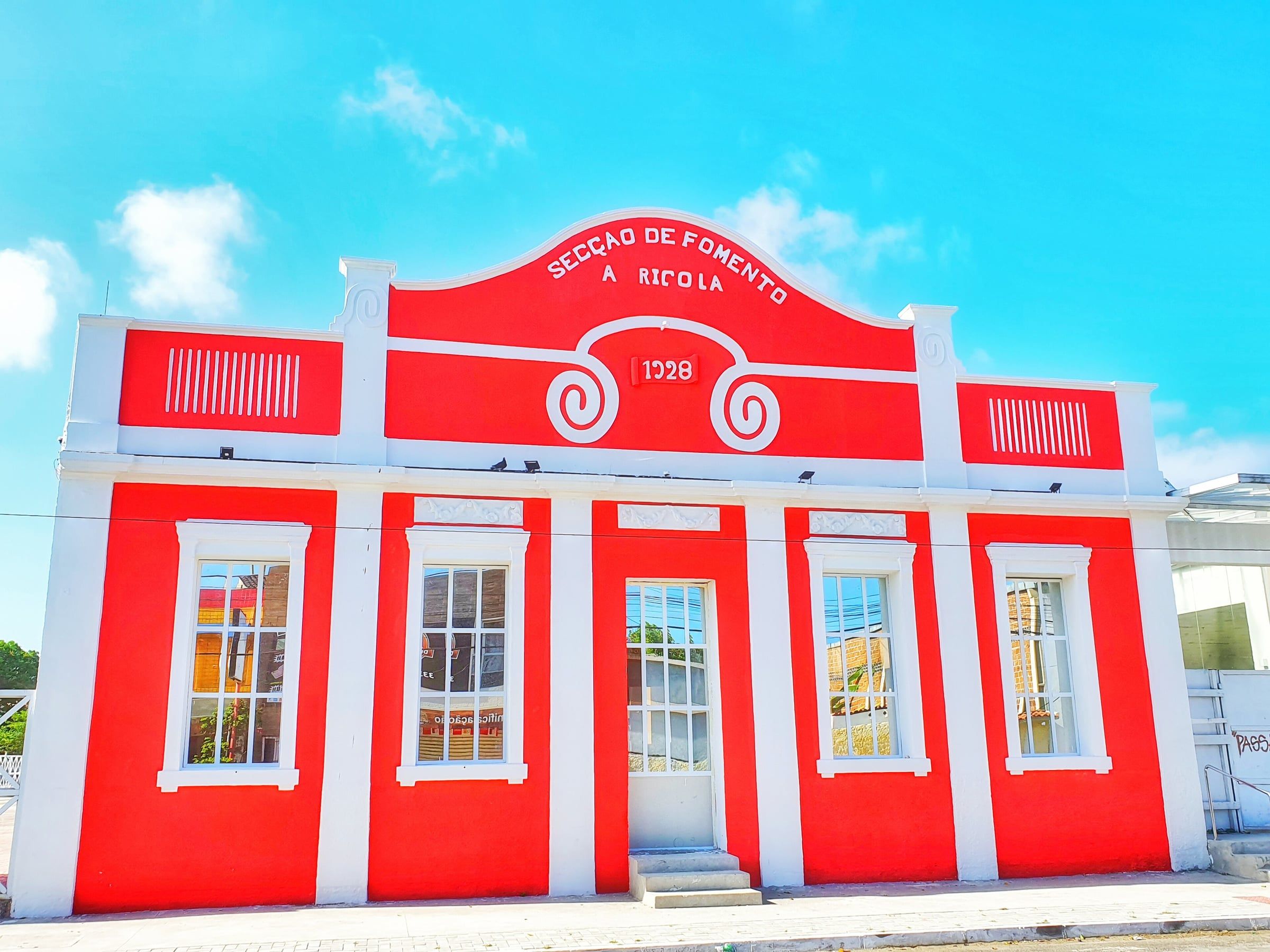
Besides the ensemble, the state list of listed heritage includes, among other buildings in Maceió, the Maceió Commercial Association and the building of the Museum of Image and Sound of Alagoas.
| Site | What it is | Where |
|---|---|---|
| Maceió Commercial Association | Building with a neoclassical facade, opened in 1928 and listed by the state | Rua Sá e Albuquerque |
| Museum of Image and Sound of Alagoas (MISA) | State museum of audiovisual collections, founded in 1981, in a listed building | Rua Sá e Albuquerque, 275 |
| Mercado 31 | Crafts and culture space used by City Hall as a starting point for tourist transport | Jaraguá |
| Port of Maceió | The port area that gave rise to the district | Jaraguá waterfront |
Museum of Image and Sound (MISA)
MISA holds photographs, tape recordings, records and old equipment documenting the political, social and artistic life of Alagoas. According to the state’s official list of museums, it’s at Rua Sá e Albuquerque, 275, and opens on weekdays. Hours may change; check before visiting. The Maceió museums guide covers other spaces in the center.
How to visit
Jaraguá is a walk of a few hours. Start on Rua Sá e Albuquerque, home to the Commercial Association and MISA, and wander the nearby streets to see the facades of the old warehouses and townhouses. From there, central Maceió and the Théo Brandão Museum are close by.
Jaraguá at night
The district has had nightlife since the late 19th century and, from the 1990s, gained music venues and event spaces. What’s on offer changes a lot over time, with venues opening and closing. Check the current program before going out and see the Maceió nightlife guide.
Fitting it into your itinerary
A morning in Jaraguá and the center goes well with an afternoon at neighboring Pajuçara or with sunset at Pontal da Barra. It’s also a good option for cloudy days.
-
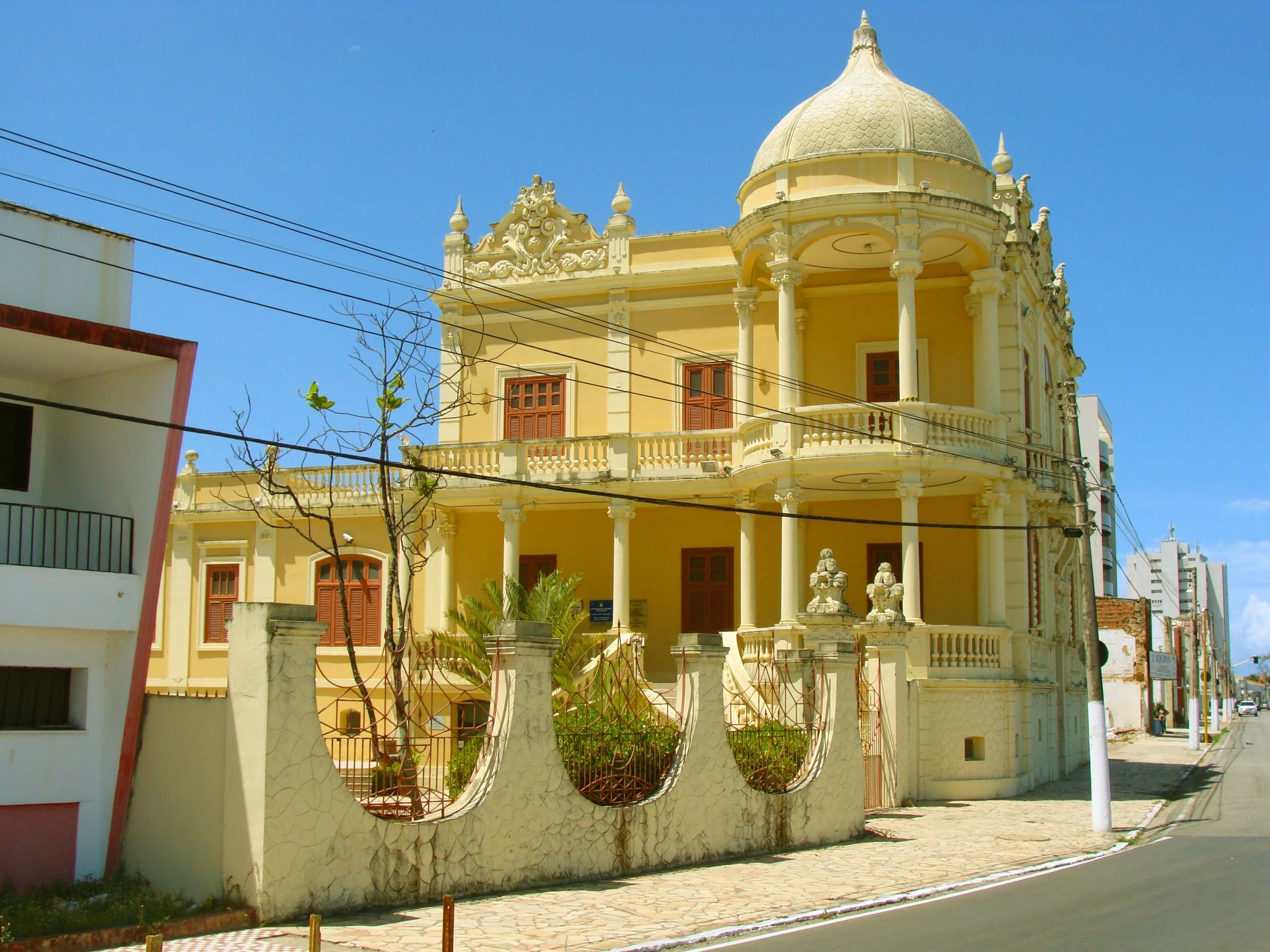 Historic center Théo Brandão Museum of Anthropology and Folklore A Federal University of Alagoas museum devoted to the folk art and folklore of the Northeast, housed in a 19th-century mansion on Avenida da Paz. See details
 -
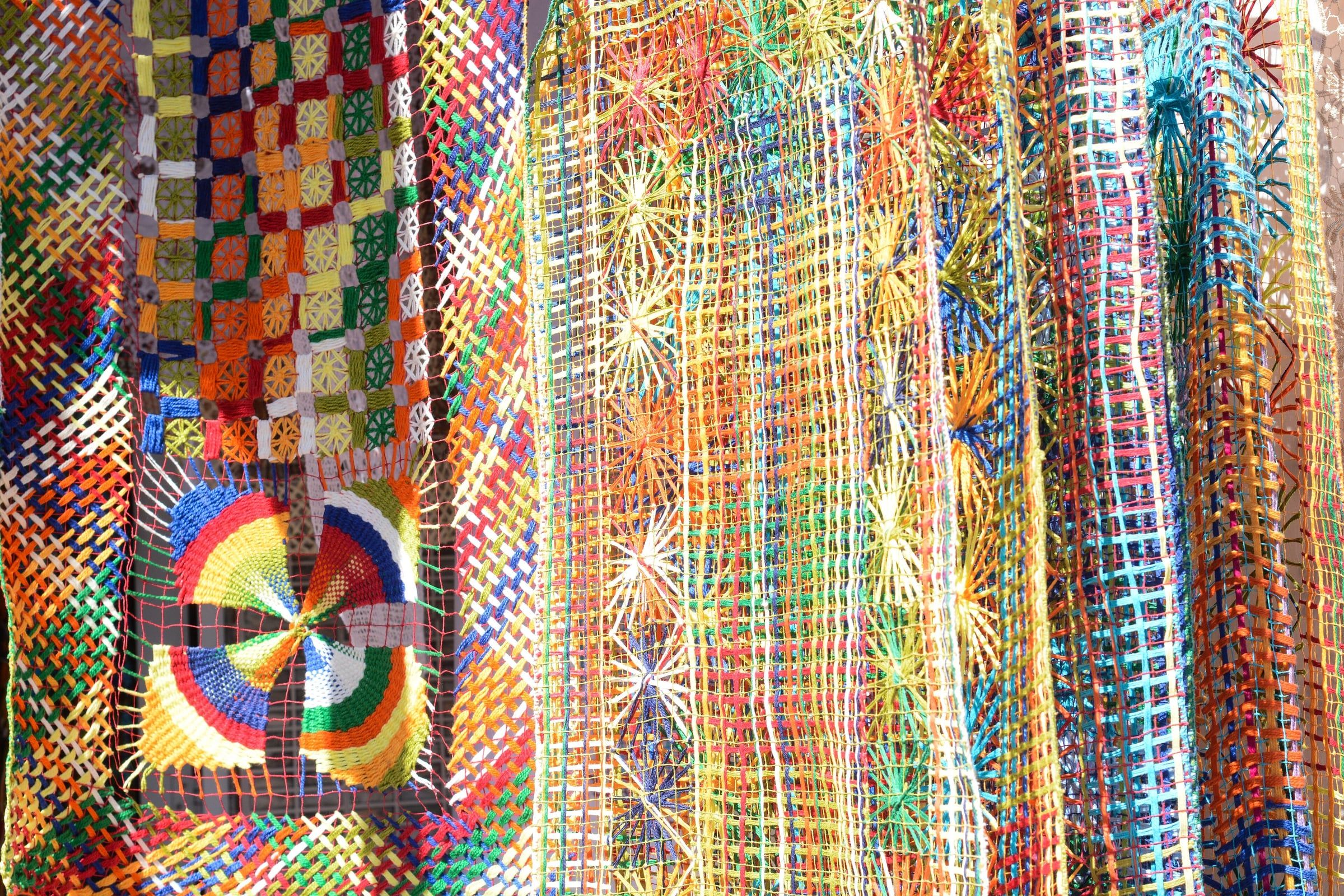 Mundaú and Manguaba lagoons Pontal da Barra and Filé Lace A Maceió neighborhood between the lagoon and the sea, cradle of Alagoas filé lace, with lacemakers' shops, sunset over Mundaú Lagoon and departures for boat trips. See details
 -
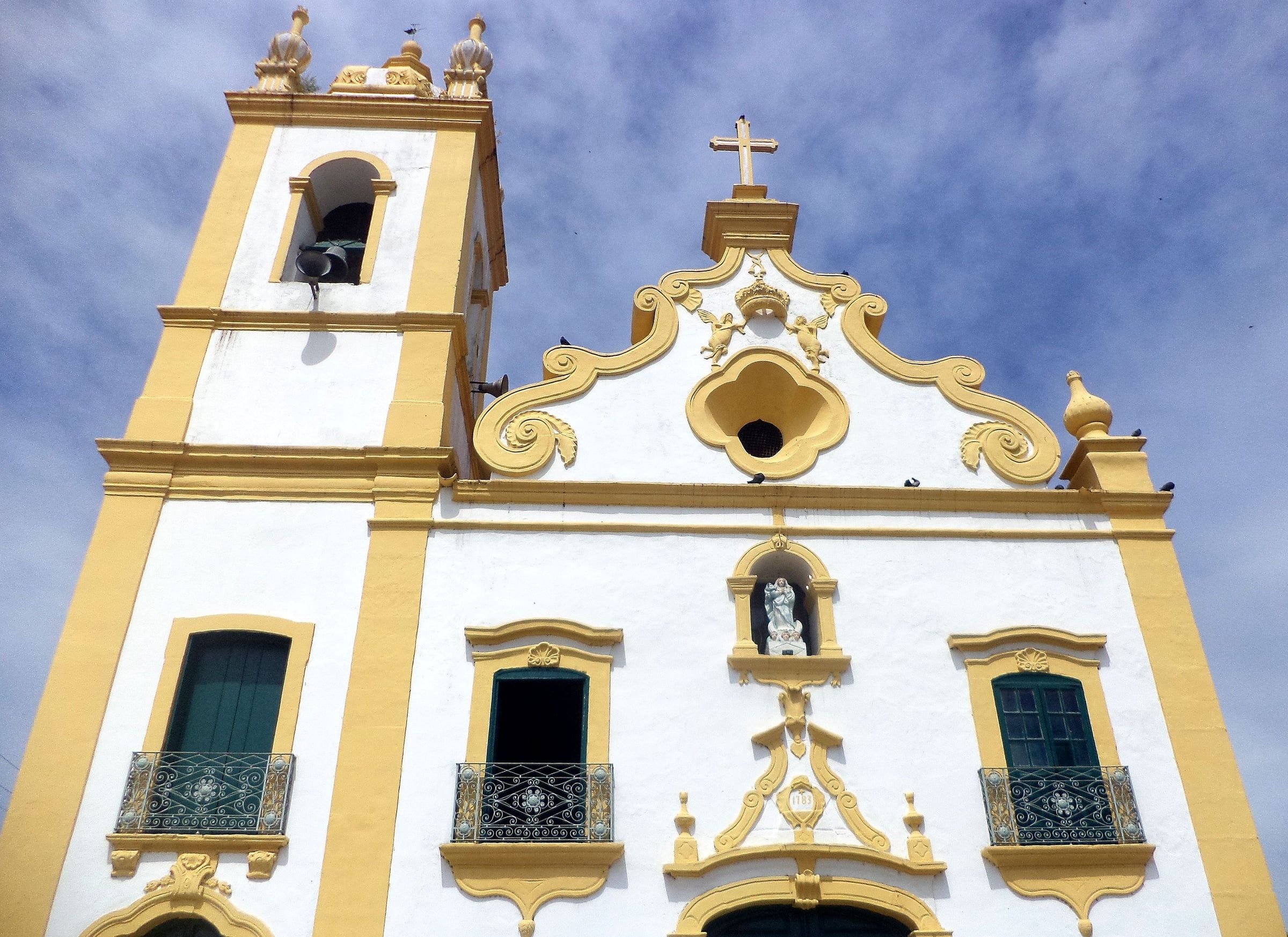 Mundaú and Manguaba lagoons Marechal Deodoro, the First Capital of Alagoas A town next to Maceió, on Manguaba Lagoon, with an architectural ensemble listed by Iphan, a Franciscan convent and the birthplace of Brazil's first president. See details
Practical tips
- Visit by day, in a group or with a guide, and stick to the busier streets.
- Check MISA's opening hours before you go; the official list of museums says it opens on weekdays.
- Combine Jaraguá with the Pajuçara waterfront, right next door.
- Look at the facades along Rua Sá e Albuquerque, home to several historic buildings.
Frequently asked questions
Is the Jaraguá district a listed heritage site?
Yes, at state level. The district's cultural assets, including urban spaces, monuments, buildings and green areas, are inscribed in Heritage Register No. 3 (urban ensembles and historic sites) of the Alagoas State Department of Culture, with listing formalized in 1984.
Why is Jaraguá important to Maceió's history?
The port of Jaraguá had a privileged position, and the trade linked to it made Maceió grow, to the point of prompting the move of the provincial capital to the city in 1839.
Where is the Museum of Image and Sound of Alagoas?
At Rua Sá e Albuquerque, 275, in Jaraguá, according to the official list of Alagoas museums. Check opening hours before visiting.
Is Jaraguá safe for tourists?
As in other central areas, visit by day, on busy streets, without showing off valuables. At night, use a ride-hailing app or taxi to get there and back. See more in the Maceió safety guide.
Combine with
- Historic center Théo Brandão Museum of Anthropology and Folklore A Federal University of Alagoas museum devoted to the folk art and folklore of the Northeast, housed in a 19th-century mansion on Avenida da Paz. See details
- Mundaú and Manguaba lagoons Pontal da Barra and Filé Lace A Maceió neighborhood between the lagoon and the sea, cradle of Alagoas filé lace, with lacemakers' shops, sunset over Mundaú Lagoon and departures for boat trips. See details
-
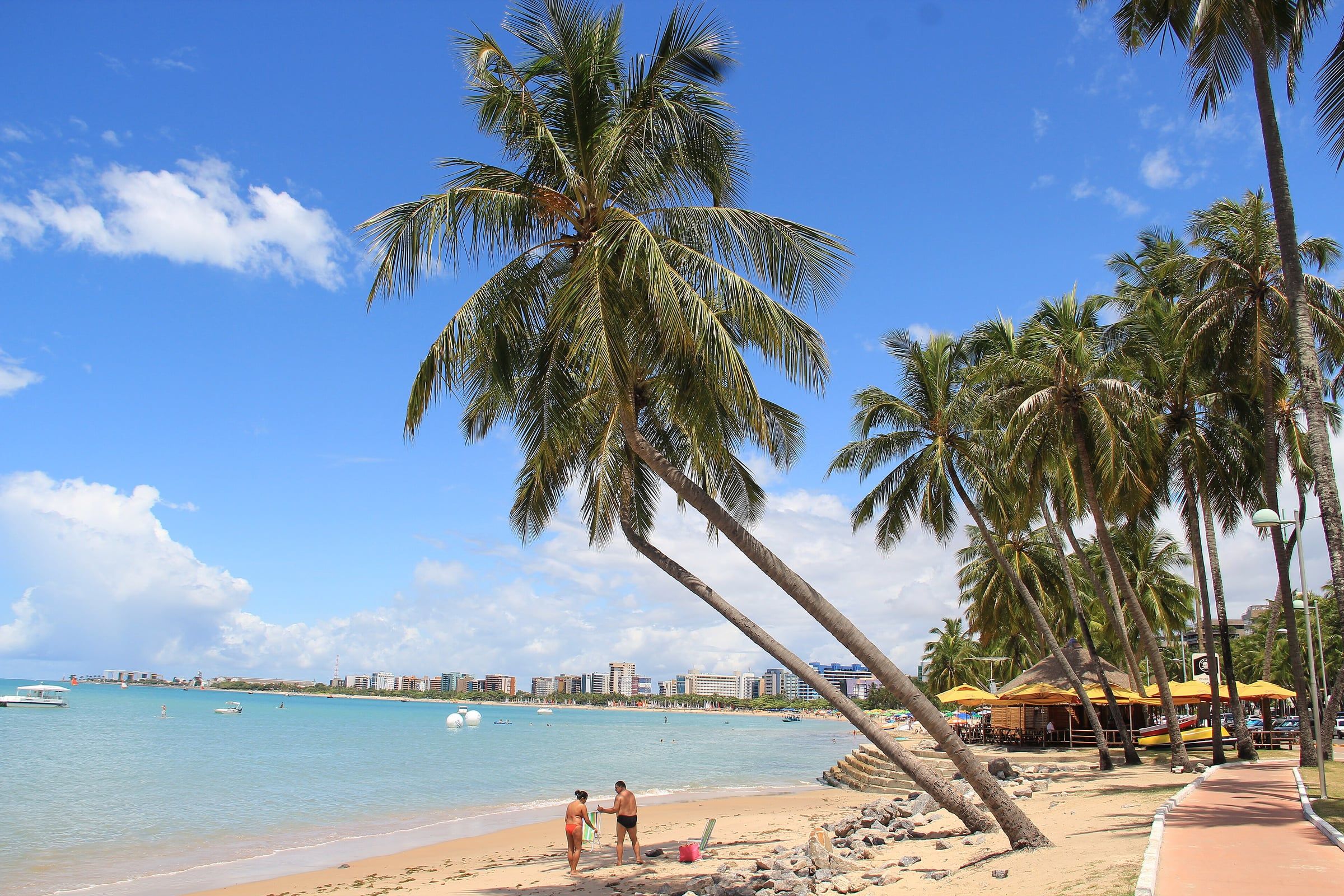 Free access Maceió city waterfront Pajuçara Beach Pajuçara is the most central city beach on Maceió's waterfront and the departure point for jangadas to the natural pools. See details
 - Mundaú and Manguaba lagoons Marechal Deodoro, the First Capital of Alagoas A town next to Maceió, on Manguaba Lagoon, with an architectural ensemble listed by Iphan, a Franciscan convent and the birthplace of Brazil's first president. See details