- Type
- History and culture
- Area
- Historic center
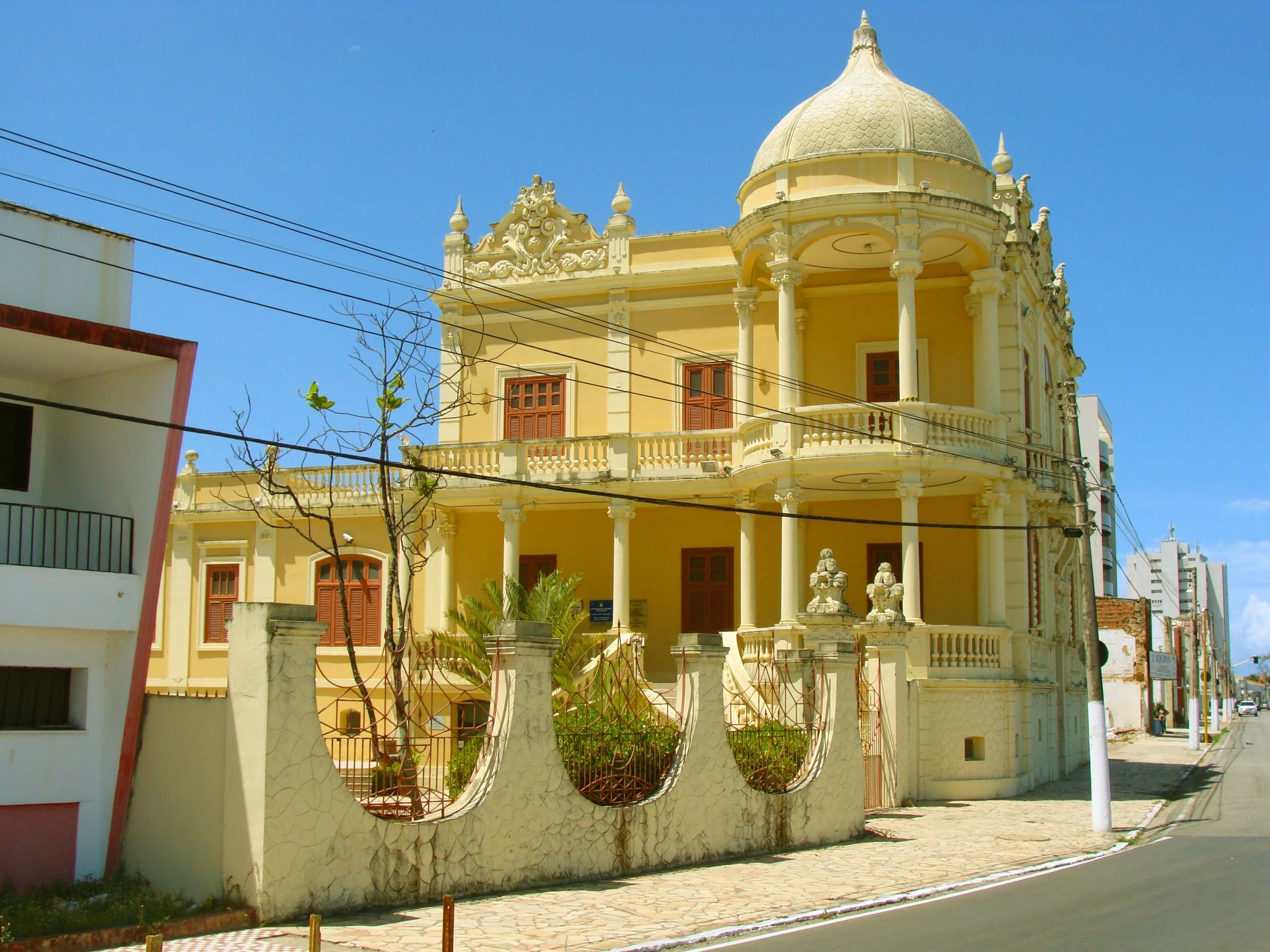
The Théo Brandão Museum of Anthropology and Folklore is the main museum devoted to popular culture in Alagoas. It belongs to the Federal University of Alagoas (UFAL) and occupies a mansion on Avenida da Paz, in central Maceió, near the waterfront and the Jaraguá district. If you want to understand the state’s folk performances, crafts and festivals, it’s an important stop.
Visiting status
When booking, UFAL asks for the name of the person in charge or the visitor, and the preferred date and time. Confirmation depends on the space’s capacity.
History of the museum
The museum was founded on August 20, 1975 and is named after Theotônio Brandão Vilela, a doctor and folklorist who donated his folk art collection to UFAL. The collection was first kept at Pontal da Barra and, in 1977, moved to the mansion that belonged to the Machado family, built in the early 19th century. The eclectic-style building was restored between 2000 and 2002, with changes to the interior and the facade preserved. The museum building is on the Alagoas State Department of Culture’s list of listed heritage buildings.
The collection
According to UFAL, the collection brings together folk culture pieces from the Northeast, especially Alagoas. Highlights include:
| Type of piece | Examples |
|---|---|
| Ceramics | Figurative ceramics, including pieces attributed to Mestre Vitalino, and Kariri-Xocó Indigenous pottery |
| Wood | Sculptures and carved objects |
| Folk performances | Festival costumes and ornamented hats and crowns |
| Everyday life | Folk toys, textiles and handmade objects |
| Religion | Ex-votos and objects from Afro-Brazilian religions |
The hats and crowns covered in mirrors and ribbons help explain the guerreiro, a Christmas folk performance registered as intangible heritage of Alagoas. The Alagoas popular culture guide explains the guerreiro, reisado, pastoril and other traditions.
The museum also has a branch library linked to UFAL’s library system, focused on folklore and anthropology.
How to get there
The museum is at Avenida da Paz, 1490, in the center, according to UFAL. The avenue runs along the seafront between the center and Jaraguá. From the Pajuçara and Ponta Verde waterfront, it’s a short trip by car or ride-hailing app. See the transport options in getting around Maceió.
Visiting tips
- allow one to two hours for the open rooms;
- when booking, ask which spaces are available, since part of the building may be under works;
- combine the visit with a walk around Jaraguá and the center;
- in the late afternoon, head to Pontal da Barra, where the collection began, to see filé lace being made.
For other cultural spaces in the city, see the Maceió museums guide.
-
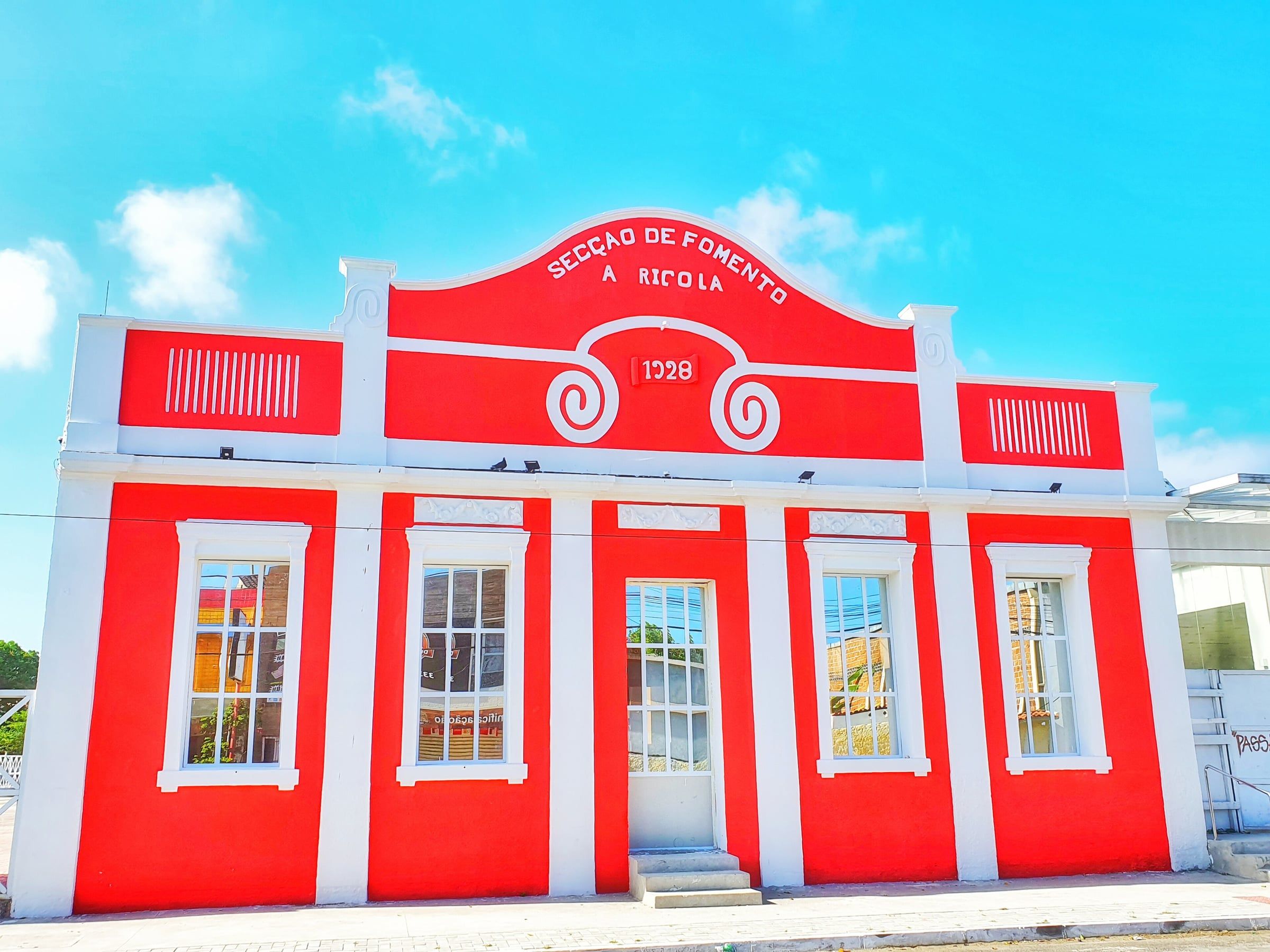 Historic center Jaraguá District The port district where Maceió grew, with an urban ensemble listed by the Alagoas government, early 20th-century buildings and the Museum of Image and Sound. See details
 -
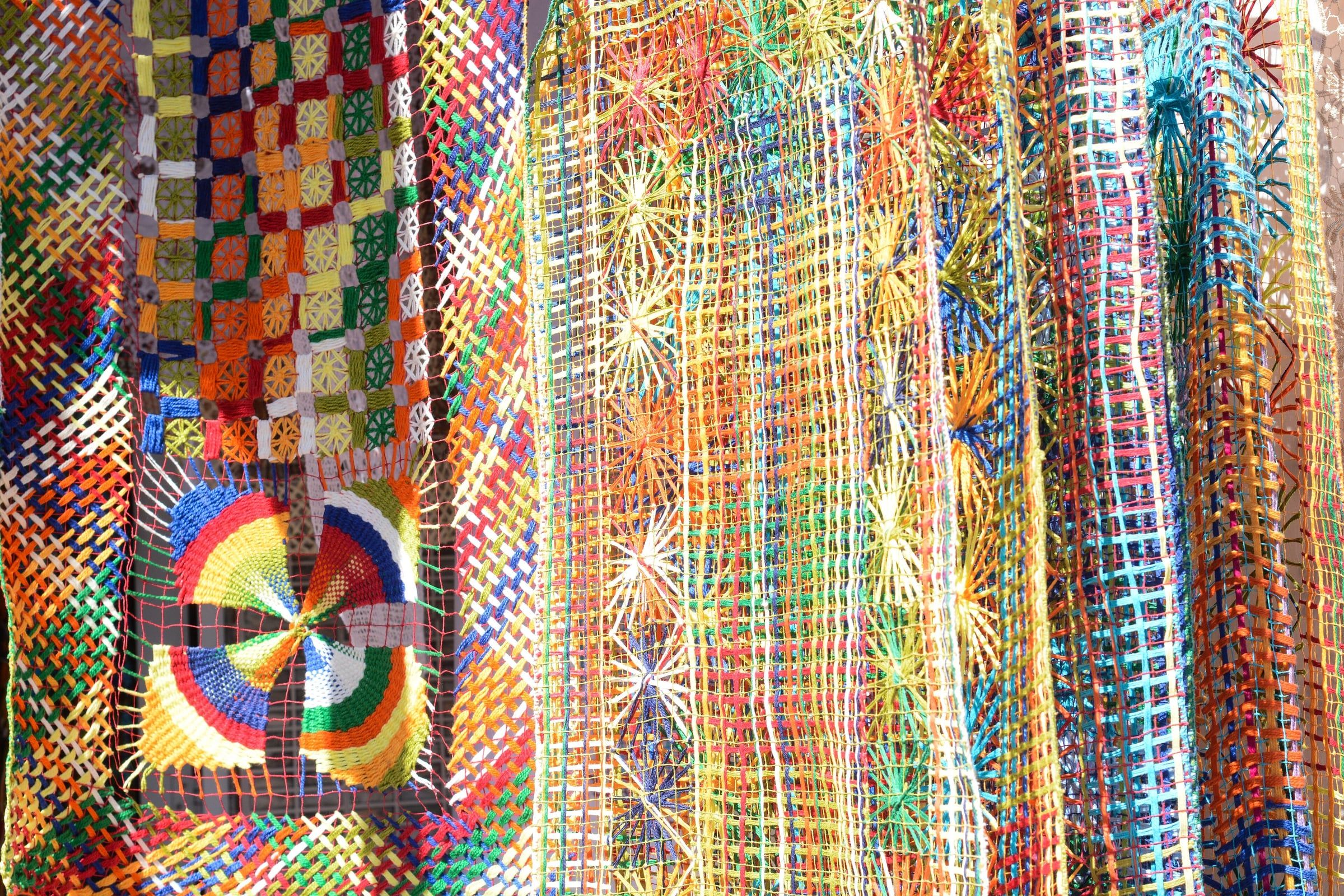 Mundaú and Manguaba lagoons Pontal da Barra and Filé Lace A Maceió neighborhood between the lagoon and the sea, cradle of Alagoas filé lace, with lacemakers' shops, sunset over Mundaú Lagoon and departures for boat trips. See details
 -
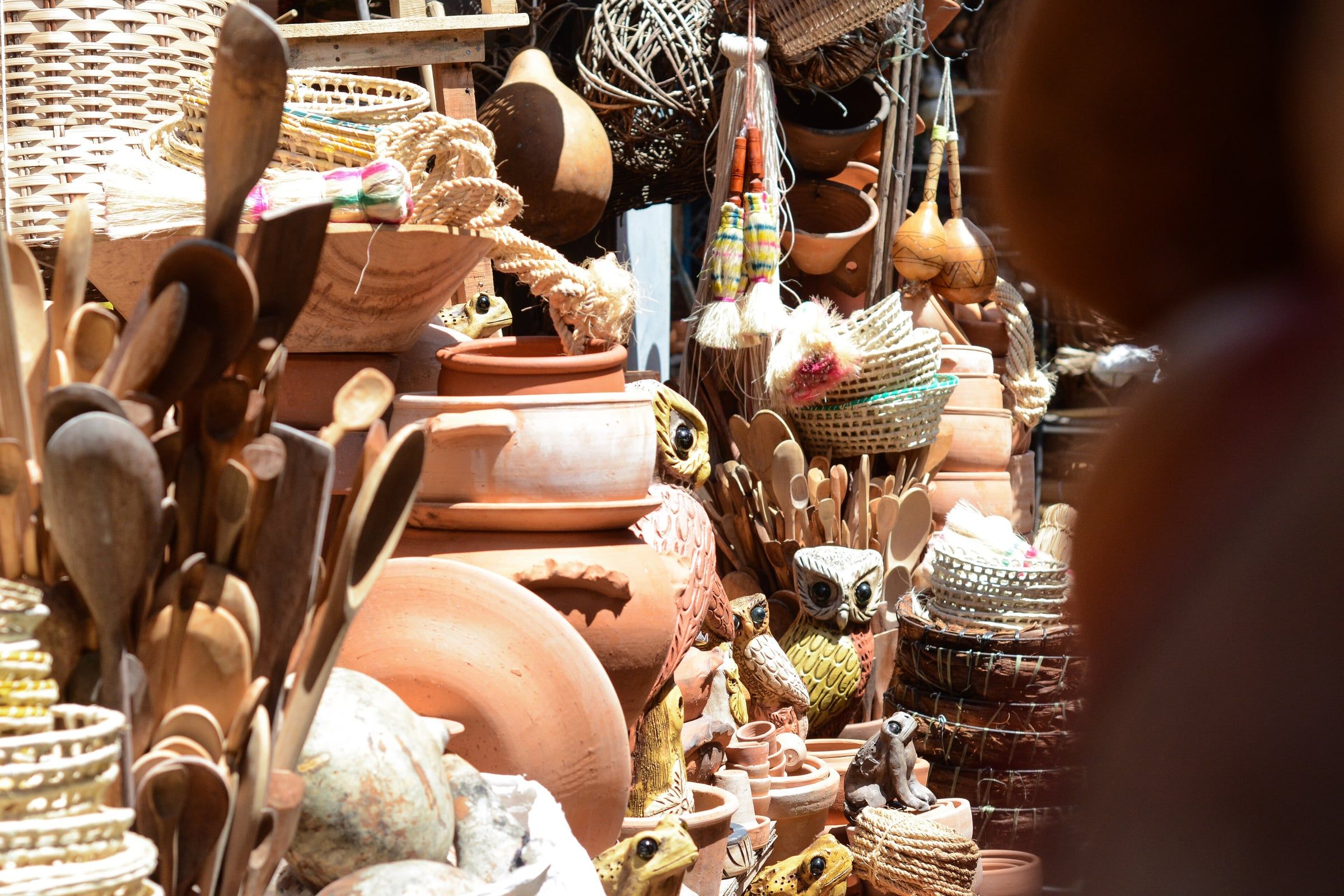 Maceió city waterfront Pajuçara Craft Fair On the Pajuçara waterfront, the fair brings together about 200 craft and souvenir stalls, a few steps from the beach. See details
Practical tips
- Before going, check UFAL's official channels to see whether the museum is open and whether you need to book.
- Groups should book in advance using the email address provided by UFAL.
- Combine the visit with the center and the nearby Jaraguá district.
- It's a good option for rainy days.
Frequently asked questions
Is the Théo Brandão Museum open?
In October 2025, UFAL reported that the museum was partially open, with part of the building under renovation and visits by appointment via email, Tuesday to Friday, 9 a.m. to 5 p.m. Check the current situation on UFAL's official channels before going.
Where is the Théo Brandão Museum?
At Avenida da Paz, 1490, in central Maceió, according to UFAL.
Who was Théo Brandão?
Theotônio Brandão Vilela, a doctor and folklorist from Alagoas. He donated his folk art collection to the Federal University of Alagoas, and the museum was founded in his name in 1975.
What's in the collection?
Folk culture pieces from the Northeast and Alagoas, such as figurative ceramics, wood carvings, costumes and hats from folk performances, folk toys, textiles, Kariri-Xocó Indigenous pottery, Afro-Brazilian religious objects and ex-votos.
Combine with
- Historic center Jaraguá District The port district where Maceió grew, with an urban ensemble listed by the Alagoas government, early 20th-century buildings and the Museum of Image and Sound. See details
- Mundaú and Manguaba lagoons Pontal da Barra and Filé Lace A Maceió neighborhood between the lagoon and the sea, cradle of Alagoas filé lace, with lacemakers' shops, sunset over Mundaú Lagoon and departures for boat trips. See details
- Maceió city waterfront Pajuçara Craft Fair On the Pajuçara waterfront, the fair brings together about 200 craft and souvenir stalls, a few steps from the beach. See details