Typical Food of Alagoas: What to Try in Maceió
The flavors that tell the story of Alagoas, from the lagoons to the coast, and where each one usually turns up.
Updated on October 5, 2026 ✓ Information checked on October 5, 2026 adapted from the Portuguese original
Alagoas cooking is born where lagoon, sea and sugarcane meet. The Mundaú and Manguaba lagoons provide shellfish and fish. The sea brings shrimp and coastal fish. Coconut goes into almost everything. And sugar, the backbone of the state’s economy for centuries, shows up in the sweets. Get to know the dishes that best represent Alagoas and learn what to order in Maceió.
Sururu: the symbol of Alagoas
Sururu is a small dark-shelled mussel that lives in the muddy beds of the lagoons, especially Mundaú Lagoon, next to Maceió. It’s harvested by hand and supports many families who live on the lagoon shore.
In December 2014, the Alagoas State Council of Culture approved the registration of sururu as intangible cultural heritage of Alagoas, under the state law on registering intangible assets (Law No. 7,285/2011). In 2024, a Federal Senate news report on the bill that would give Maceió the title of national sururu capital also noted that the mussel “is already intangible heritage of the state”.
How to try it
- Sururu stew (ensopado): the shelled mussel cooked with coconut milk, tomato, onion and cilantro. It usually comes with rice and pirão (a thick fish-broth porridge).
- Sururu de capote: cooked in its own shell, in a seasoned broth. You eat it by opening the shells one by one.
- Sururu caldinho: a broth version, served as a snack.
The lakeside areas, such as Massagueira and Pontal da Barra, are the places most associated with the dish.
Maçunim
Maçunim (also spelled massunim) is another shellfish, smaller and paler than sururu, similar to a clam. It’s served stewed with coconut milk or in broths. It often appears on menus by the lagoon and along the waterfront.
Tapioca
Tapioca, made from cassava starch, is a constant at fairs, kiosks and breakfast tables in Maceió. It can be sweet, with coconut and condensed milk, or savory, with queijo coalho (grilling cheese), carne de sol (salted sun-dried beef) or seafood. It’s a quick meal before or after the beach.
Fish and shrimp
The coast and the lagoons guarantee fresh fish and shrimp in many versions:
- fried or grilled fish, served whole or in steaks;
- moquecas and stews with coconut milk;
- shrimp with garlic and oil, breaded or in sauces;
- fish and shrimp caldinhos (small broths), common at beach shacks.
Lagoon fish and sea fish taste different. Ask what the catch of the day is.
Queijo coalho and carne de sol
A legacy of the Northeastern interior, grilled queijo coalho appears on the beaches, sold hot from the coals. Carne de sol, served with cassava or green beans, is a regular at regional restaurants.
Sweets: sugar on the table
The sugar tradition of Alagoas is reflected in its sweets.
Cocada
Made with coconut and sugar, in white, caramelized or fruit versions. It’s sold at fairs, craft shops and in lakeside villages such as Massagueira.
Chiclete de banana
A banana sweet cooked with sugar until it becomes firm and elastic, hence the name (“banana chewing gum”). It’s usually sold in pieces or jars. It makes a good souvenir.
Other sweets
Regional fruit preserves in syrup or paste, such as guava and cashew, and cassava and corn cakes, common at the June festivals.
Drinks
- Coconut water, sold all along the waterfront.
- Regional fruit juices, such as cashew, mangaba, cajá and soursop.
- Sugarcane juice, linked to the sugarcane tradition.
Quick table: what to order
| Dish | Type | Where it usually appears |
|---|---|---|
| Sururu stew or de capote | Lagoon mussel | Massagueira, Pontal da Barra, waterfront |
| Maçunim | Shellfish | Lagoon shore and waterfront |
| Tapioca | Cassava pancake | Fairs, kiosks, cafés |
| Fish and shrimp with coconut | Seafood | Waterfront and regional restaurants |
| Grilled queijo coalho | Snack | Beaches |
| Cocada | Sweet | Fairs, craft shops, Massagueira |
| Chiclete de banana | Sweet | Fairs and craft shops |
Food and culture
Alagoas cuisine is tied to life on the lagoons and to popular festivals. Sururu appears in songs, poems and the work of the shellfish gatherers. To understand this context, read Alagoas popular culture and the history of Maceió.
To know which area to look in for each dish, see where to eat in Maceió.
Attractions mentioned
-
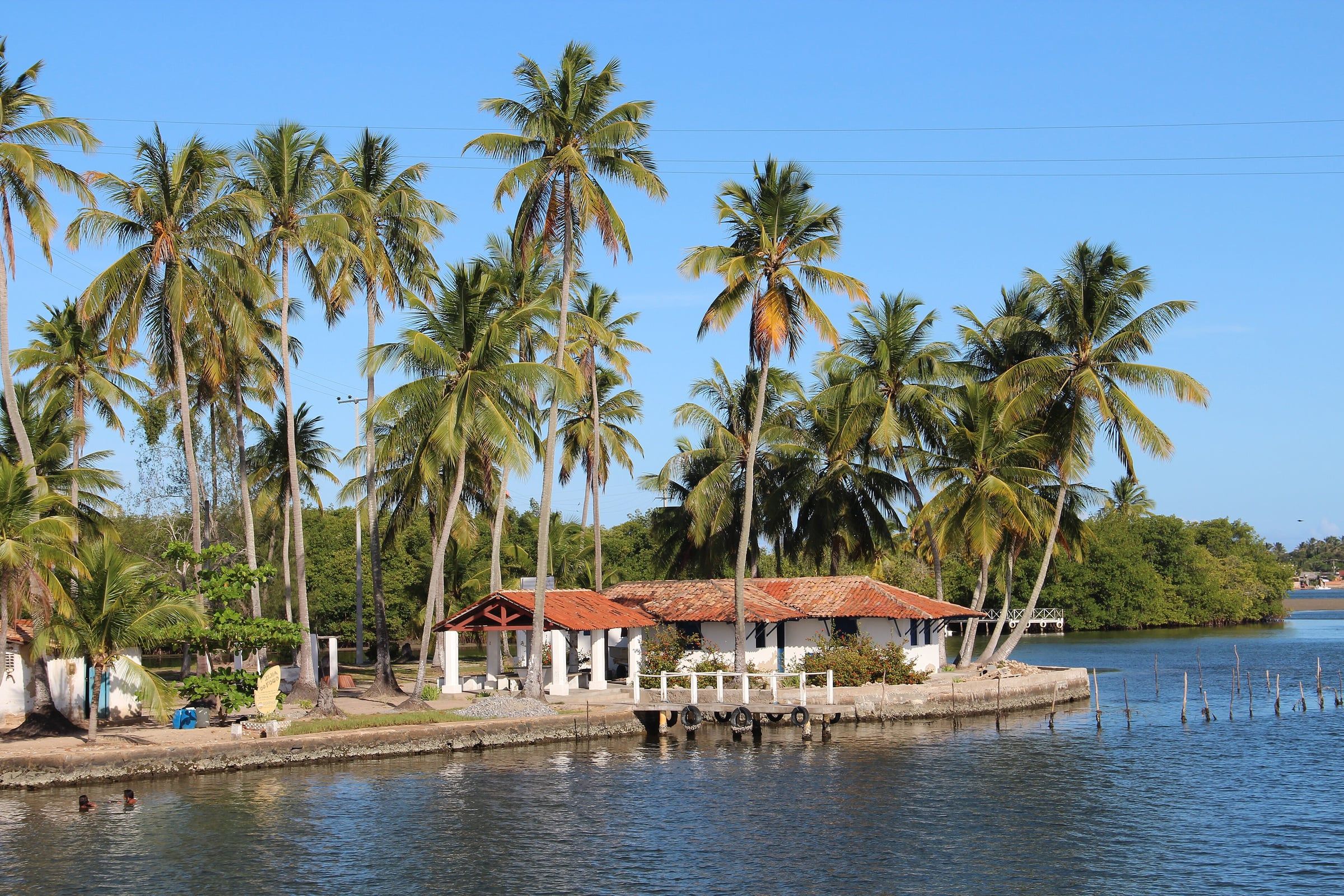 Mundaú and Manguaba lagoons Massagueira A village in Marechal Deodoro on the shore of Manguaba Lagoon, known for its seafood restaurants and sururu dishes. See details
 -
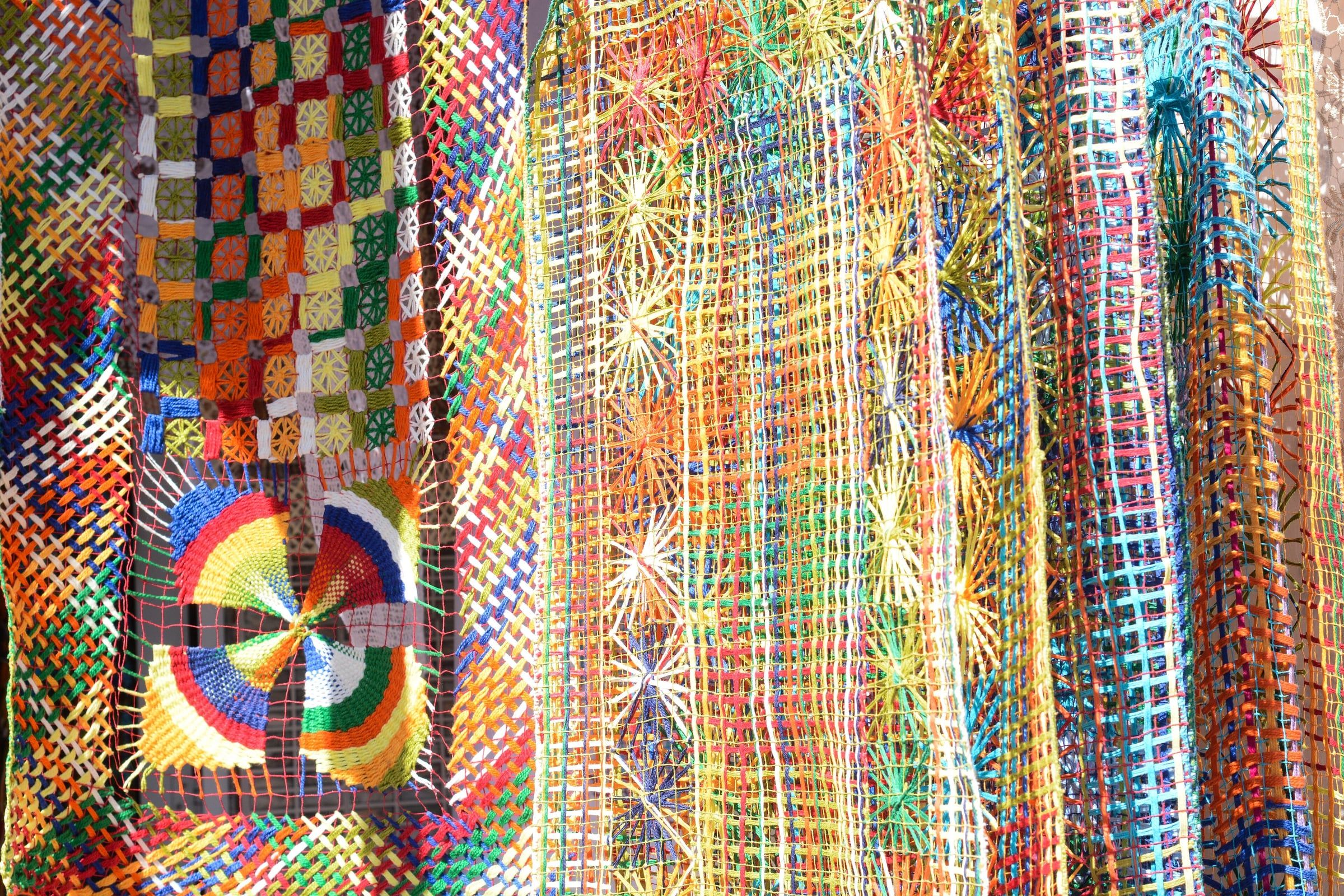 Mundaú and Manguaba lagoons Pontal da Barra and Filé Lace A Maceió neighborhood between the lagoon and the sea, cradle of Alagoas filé lace, with lacemakers' shops, sunset over Mundaú Lagoon and departures for boat trips. See details
 - Mundaú and Manguaba lagoons Mundaú Lagoon and the 9 Islands Tour A boat trip through the channels and islands of the Mundaú-Manguaba estuary complex, leaving from Pontal da Barra, with mangrove, lagoon and sea scenery. See details
Frequently asked questions
What is the most typical food of Alagoas?
Sururu, a mussel from the lagoons, is the symbol of Alagoas cuisine. It was recognized as intangible heritage of Alagoas by the State Council of Culture in 2014.
What is sururu de capote?
It's sururu cooked in its own shell, usually with seasoning and coconut milk. The other classic form is the stew, with the mussel already out of its shell.
What is maçunim?
A small shellfish, similar to a clam, common on the coast and in the lagoons of Alagoas. It's usually served stewed or in broths.
Which sweet should I take home from Maceió?
Cocada (coconut candy) and chiclete de banana (chewy banana candy) are traditional sweets that are easy to find at fairs and craft shops.
Keep reading
Keep planning
-
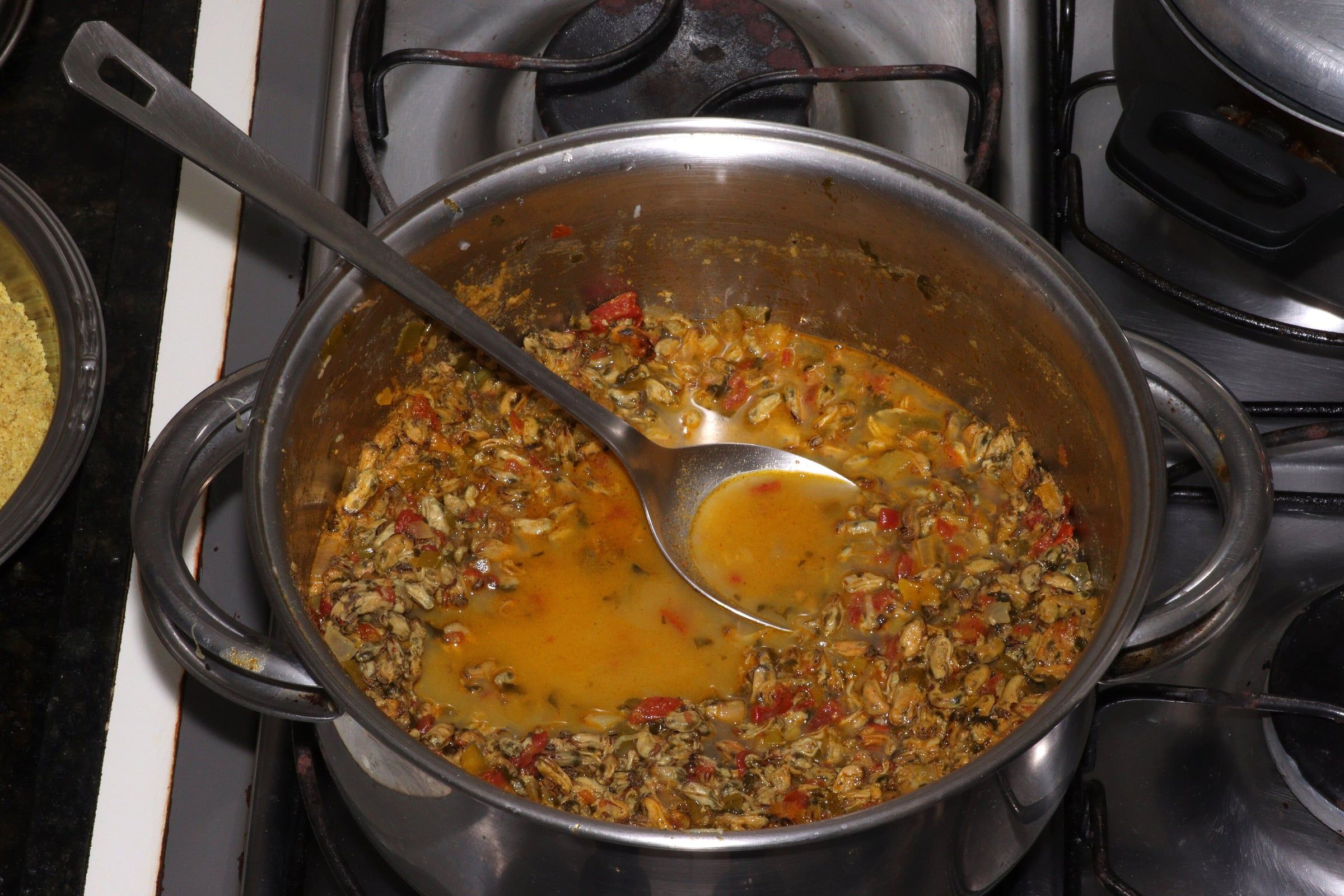 Where to Eat in Maceió: What to Try in Each Area A map of what to eat in each part of Maceió, from the beach shack to the lagoon shore. Read guide
 -
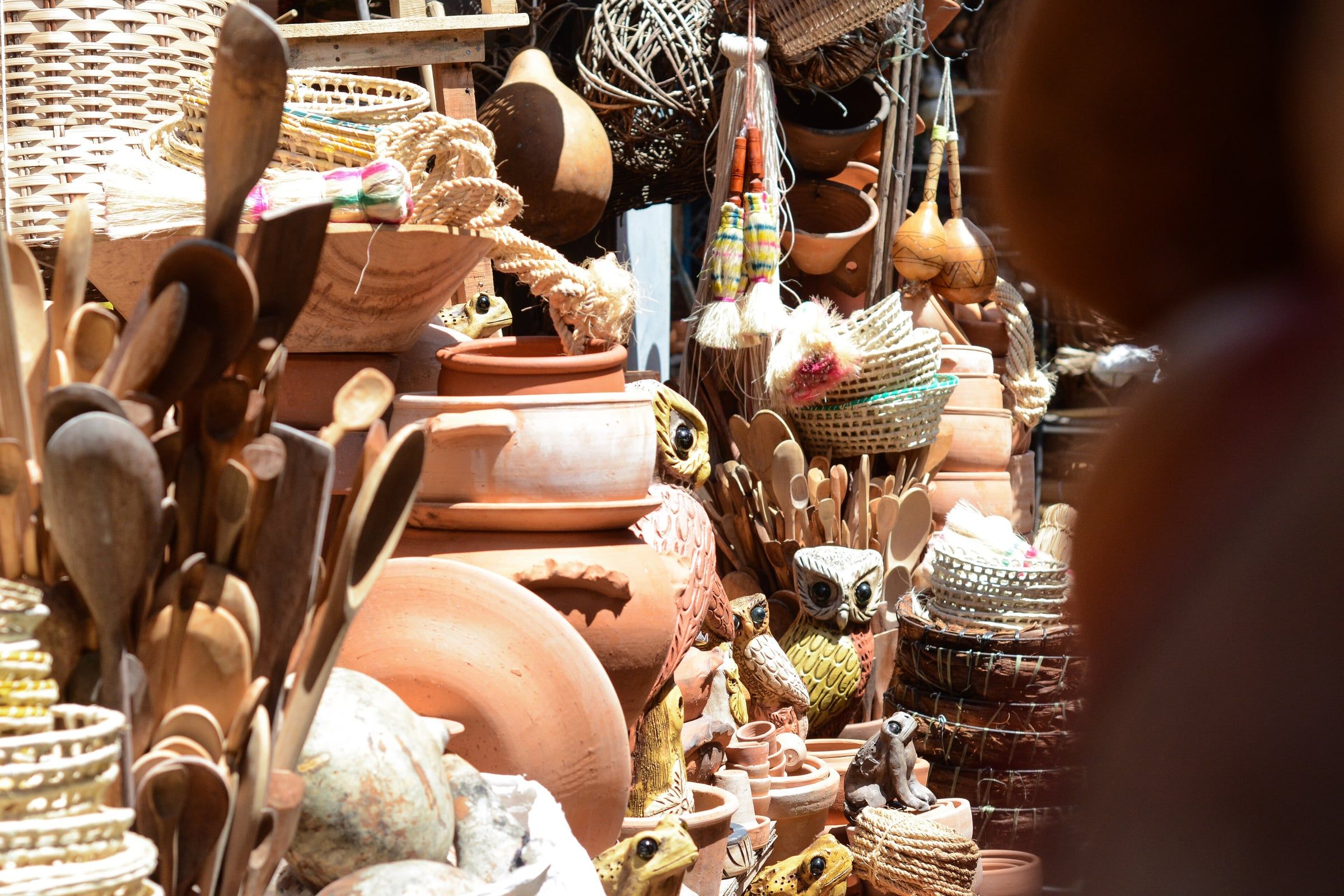 Alagoas Popular Culture Folk performances, dances and traditional crafts that shape Alagoas identity, what is registered as state heritage and where to see it up close in Maceió. Read guide
 -
 History of Maceió: From Sugar Mill to the Port of Jaraguá How a settlement linked to a sugar mill became the capital of Alagoas, and what you can still see of that history in the city. Read guide