- Type
- History and culture
- Area
- Mundaú and Manguaba lagoons
Pontal da Barra is a Maceió neighborhood at the southern tip of the city, on a strip of land between Mundaú Lagoon and the sea. It’s known as the lacemakers’ neighborhood. Maceió City Hall describes it as “the cradle of Alagoas crafts and filé”, and also as the place for sunset over the lagoon. Visitors find streets lined with embroidery shops, women working at their front doors and the departure point for the 9 islands tour.
What filé is
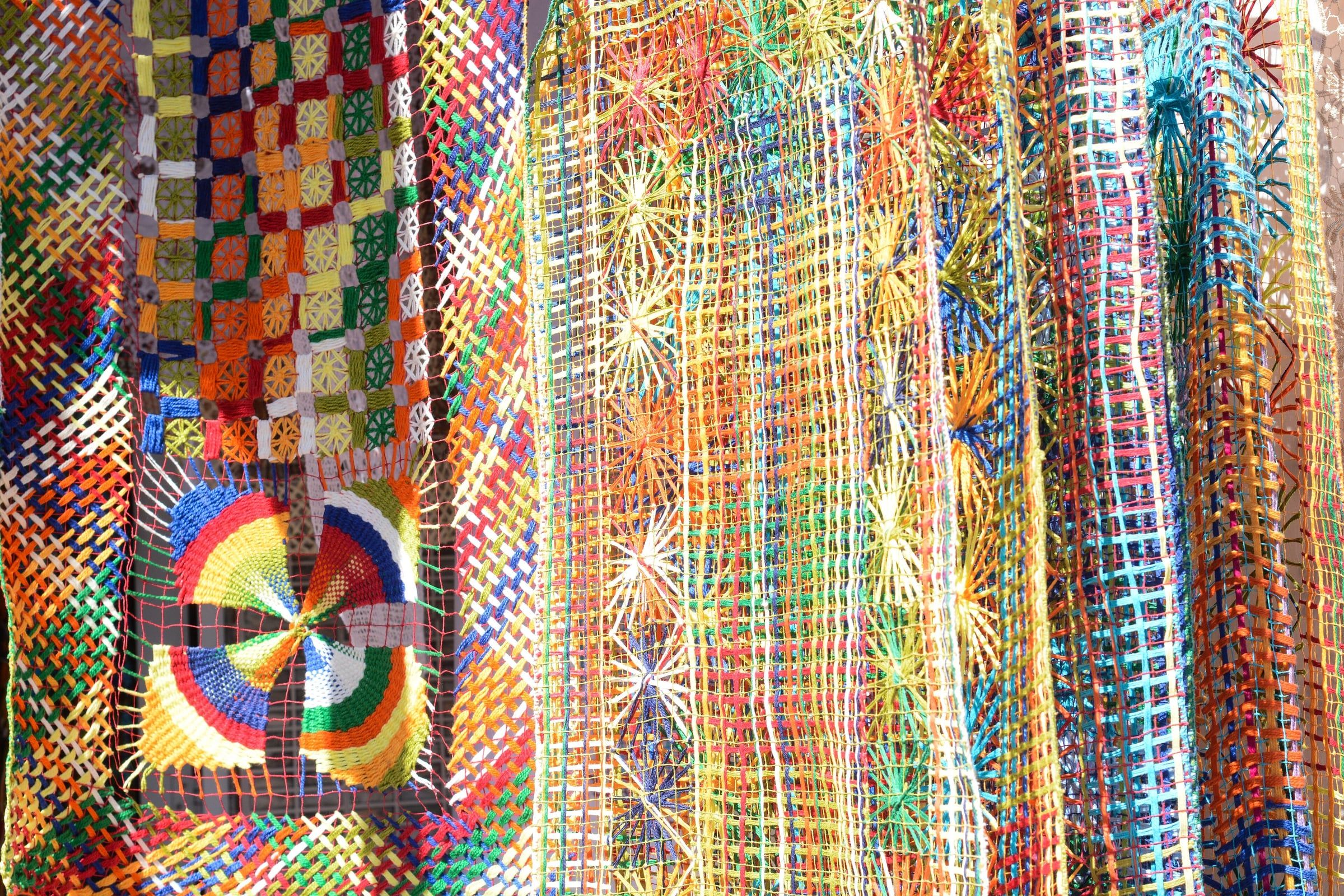
Filé is the embroidery most associated with Alagoas. According to the State Department of Culture (Secult-AL), it “consists of manual weaving laid over a net base”. First the net is prepared, with small, regular meshes, stretched on a frame. Then the embroiderer fills the net with stitches and colors, forming flowers, geometric shapes and other designs.
The result appears on blouses, dresses, beach cover-ups, hats, tablecloths, table runners, bags and accessories. Pieces in bright colors are the best known, but there’s also work in pale shades.
Heritage and protected origin
Filé has three layers of recognition, each from a different source:
| Recognition | Granted by | Status |
|---|---|---|
| Intangible heritage of Alagoas | State Department of Culture (Register) | Registered; the application was made in July 2011 by embroiderers’ cooperatives and associations |
| Geographical indication (Indication of Origin) | INPI | Granted in 2016 for the Mundaú-Manguaba Lagoons Region |
| Expression of national culture | National Congress | Bill approved by a Chamber committee in June 2025, still in progress |
According to Secult-AL, the main production centers are in Maceió, in the Pontal da Barra and Riacho Doce neighborhoods, and in Marechal Deodoro. The geographical indication covers an area around the lagoons that includes parts of Maceió, Marechal Deodoro, Pilar, Santa Luzia do Norte, Coqueiro Seco and Satuba.
As of this page’s review (Oct 2026), we found no registration of filé as intangible heritage by Iphan at federal level. The confirmed official recognition is at state level.
How to visit
Entry is free: just walk along the neighborhood’s main streets, where the shops and studios are concentrated. In many of them you can watch the embroidery being made. Some suggestions:
- talk to the lacemakers about the process; many have worked as families for generations;
- look at the finish on the back and the firmness of the net, signs of a well-made piece;
- be wary of very low prices for large pieces, which take many hours of work;
- for made-to-order pieces, agree in writing on the deadline, measurements and shipping.
In 2025, Maceió City Hall announced the construction of a Filé Gateway at the entrance to the neighborhood and offered free transport to bring cruise passengers to Pontal. Programs and schedules like these change; check City Hall’s official channels.
Sunset over Mundaú Lagoon
Late afternoon is the best time for Pontal. The light falls over the lagoon, the shops are still open and there are bars and restaurants by the water. It goes well with a day on a boat trip or a visit to the Théo Brandão Museum, whose collection actually began at Pontal da Barra before moving to the center.
Where else to buy crafts
Filé also appears at the Pajuçara Craft Fair and elsewhere in the city. The shopping and crafts in Maceió guide brings together the options and gives tips on buying directly from the makers.
-
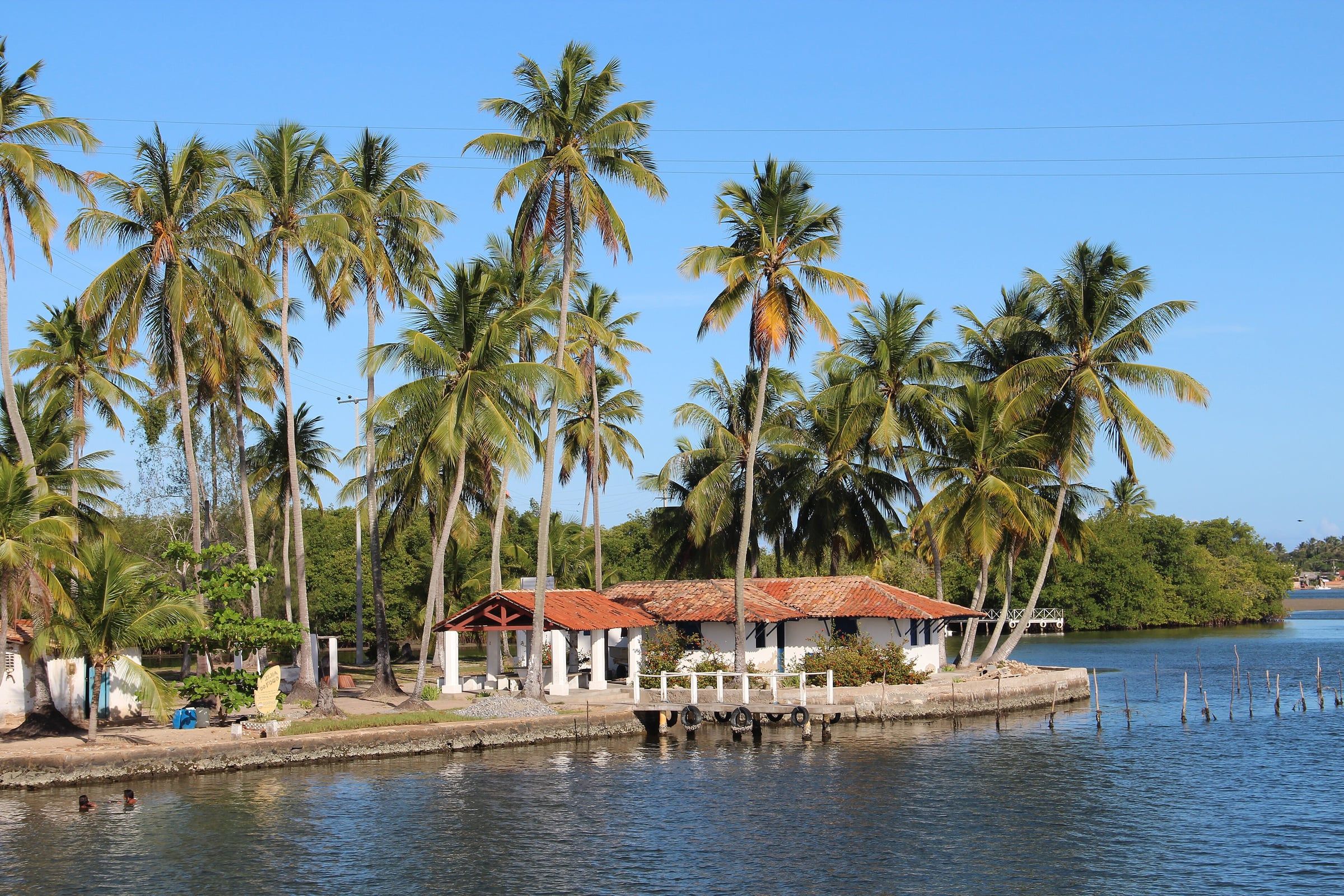 Mundaú and Manguaba lagoons Mundaú Lagoon and the 9 Islands Tour A boat trip through the channels and islands of the Mundaú-Manguaba estuary complex, leaving from Pontal da Barra, with mangrove, lagoon and sea scenery. See details
 -
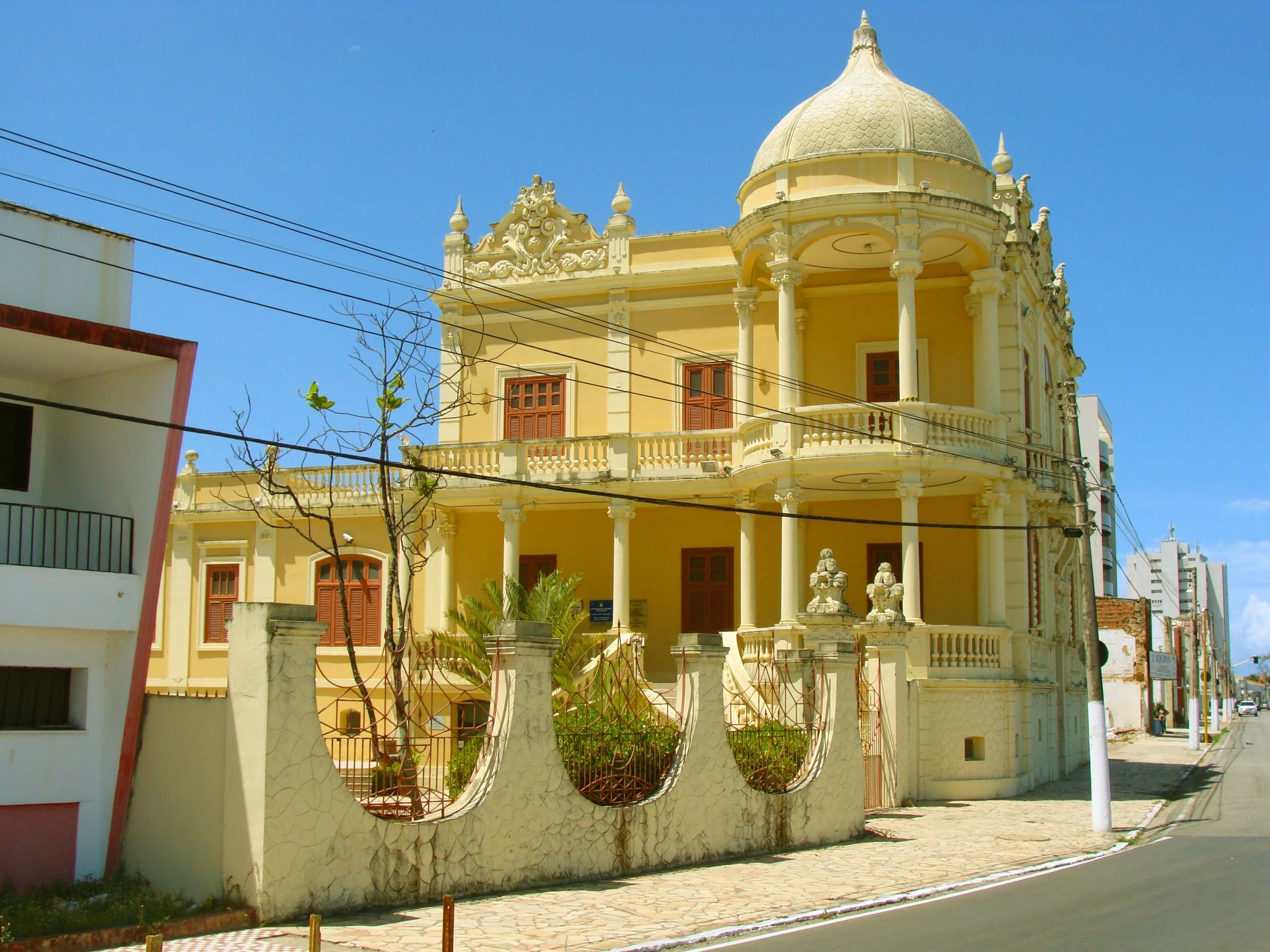 Historic center Théo Brandão Museum of Anthropology and Folklore A Federal University of Alagoas museum devoted to the folk art and folklore of the Northeast, housed in a 19th-century mansion on Avenida da Paz. See details
 - Mundaú and Manguaba lagoons Massagueira A village in Marechal Deodoro on the shore of Manguaba Lagoon, known for its seafood restaurants and sururu dishes. See details
Practical tips
- Go in the late afternoon: you can watch the lacemakers at work, go shopping and see the sunset over the lagoon.
- Ask who made the piece and how long it took; the price reflects hours of handwork.
- Larger pieces, such as tablecloths, can be made to order; agree on the deadline and delivery directly.
- Bring cash and a card; accepted payment methods vary from shop to shop.
Frequently asked questions
What is Alagoas filé lace?
According to the Alagoas State Department of Culture, filé is manual weaving worked over a net base. The embroiderers fill the net with stitches and colors, creating designs used on clothes, tablecloths, bags and accessories.
Is filé cultural heritage?
Yes. Filé is inscribed in the Register of intangible heritage of Alagoas, kept by the State Department of Culture. At federal level, a bill recognizing the craft as an expression of national culture was approved by a Chamber of Deputies committee in June 2025 and was still going through Congress.
Where is Pontal da Barra?
It's a Maceió neighborhood at the southern tip of the city, between Mundaú Lagoon and the sea. The Pontal da Barra neighborhood is listed as a protected urban ensemble on the Alagoas State Department of Culture's heritage list.
Do boat trips leave from Pontal da Barra?
Yes. The 9 islands tour on Mundaú Lagoon usually leaves from Pontal da Barra.
Combine with
- Mundaú and Manguaba lagoons Mundaú Lagoon and the 9 Islands Tour A boat trip through the channels and islands of the Mundaú-Manguaba estuary complex, leaving from Pontal da Barra, with mangrove, lagoon and sea scenery. See details
-
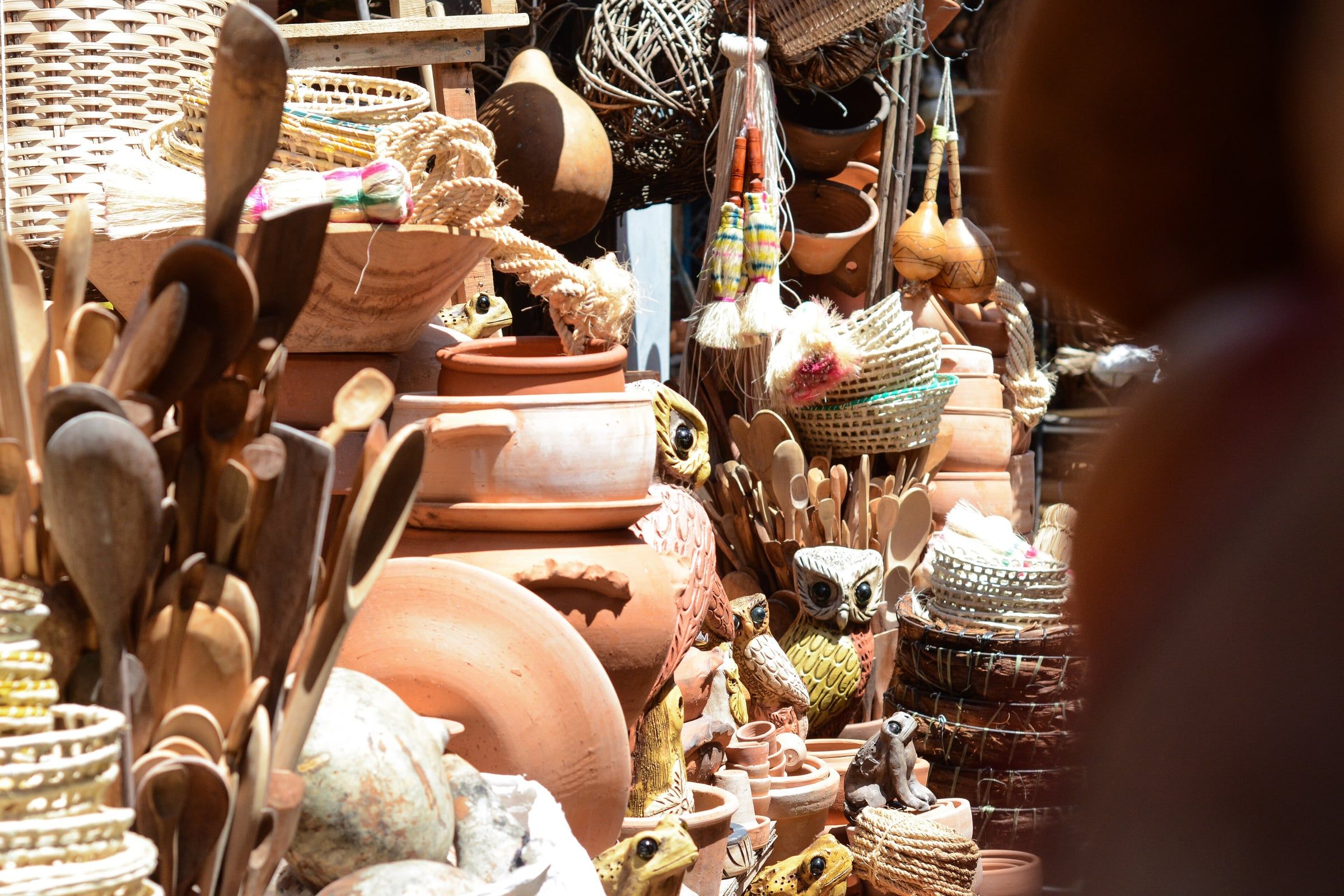 Maceió city waterfront Pajuçara Craft Fair On the Pajuçara waterfront, the fair brings together about 200 craft and souvenir stalls, a few steps from the beach. See details
 - Historic center Théo Brandão Museum of Anthropology and Folklore A Federal University of Alagoas museum devoted to the folk art and folklore of the Northeast, housed in a 19th-century mansion on Avenida da Paz. See details
- Mundaú and Manguaba lagoons Massagueira A village in Marechal Deodoro on the shore of Manguaba Lagoon, known for its seafood restaurants and sururu dishes. See details